


5 Essential Steps for Creating a Decompression Zone for Kids
We’ve all seen it: after hours of sitting in a classroom, a child bursts through the front door like a coiled spring released!
While adults may welcome coming home after a long day, many kids, particularly those with sensory sensitivities, can feel overwhelmed by the transition from school to after-school activities to home. Luckily, this is where decompression zones can help.
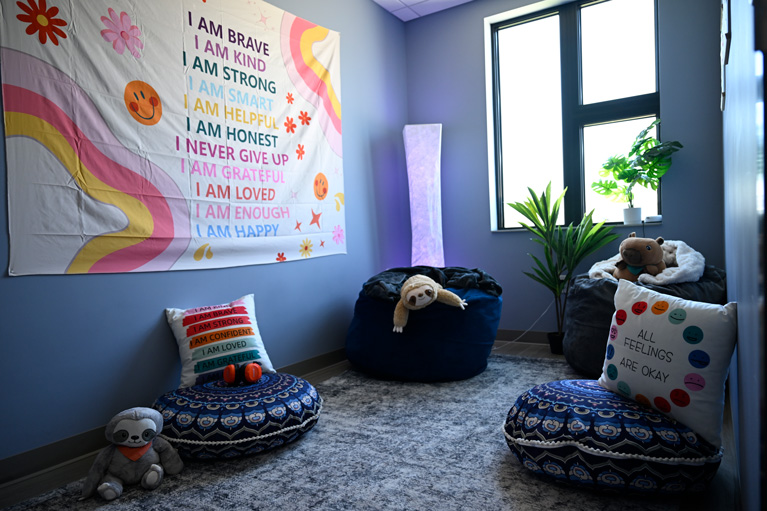
Decompression zones provide a safe space for children to expend energy and gently adapt to a new environment. At Boys & Girls Clubs, kids often go to these “cool down corners” to practice deep breathing, journaling, coloring or play with fidget toys to help transition to after-school time.
Creating these sensory spaces or “chill out” zones at home, or wherever your child goes after school, can be easy and budget friendly. Here are five must-haves for parents and caregivers to consider, featuring inspiration from our partners at Pinterest!

Choose a Dedicated Space
Supporting decompression for kids starts with establishing an area with clear boundaries. Whether it’s a room, a cozy corner or an outdoor garden, consider creating a Pinterest board for inspiration and organization to make the most of your space.

Decorate with Calming Colors, Stations & Seating
Your child’s decompression zone should be a safe space that caters to their unique sensory and emotional needs. You might add soothing colors, beanbag chairs and soft lighting to generate calmness or vibrant, energizing colors for motivation and focus.
Use Pinterest for inspiration on color schemes, lighting and seating. Seek ideas that incorporate natural elements, avoid clutter and encourage self-expression, like an arts and crafts station, by looking at how others have created sensory spaces for youth in their homes.
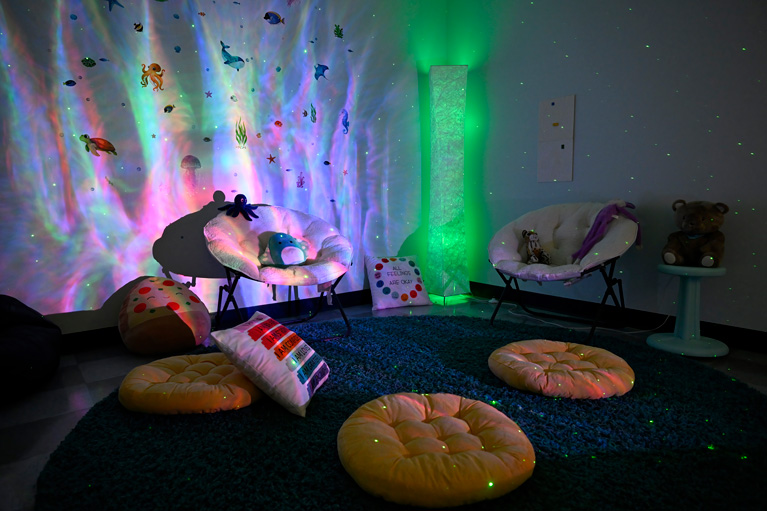
And remember, what relaxes one child might overstimulate another — so ask your child for their input to create a perfect fit!

Add Items that Awaken the Senses
On top of their visual appeal, decompression zones for kids should offer a sensory playground that grows their emotional self-regulation skills. Try adding objects that stimulate the five senses like:
- Sight: Lava lamps or posters with serene scenes that help kids visualize their happy place.
- Sound: Playing a calming playlist of nature sounds at a low volume to help create a peaceful environment.
- Smell: Scented crayons, squishy scented putty or a diffuser that releases essential oils to immerse kids in pleasant aromas.
- Taste: Healthy snacks with different textures to sooth grumbling stomachs after school.
- Touch: Snuggly blankets, textured pillows or a treasure trove of fidget toys to keep hands busy. To help youth feel grounded, add stretchy resistance bands, play sand, weighted blankets or cuddly stuffed animals.

Teach kids that these items are meant to help them connect with their bodies to reach a calm state.
Check back soon to explore Boys & Girls Clubs of America’s Pinterest board! Discover items that support your child’s sensory needs, including budget-friendly ideas for sensory rooms in your home.

Set a Time Limit
Decompression zones for kids are meant to help youth rest and reset emotionally, not for discipline or avoiding responsibilities like doing their homework. That’s why it’s helpful to set a 15- to 20-minute time limit for kids. Consider using a gentle timer or half-hour hourglass as a cue to return to their regular activities.
Let kids know that these chill zones are like emotional pit stops, designed to help them recharge, so they can continue their day feeling calmer and more focused.

Be Available to Provide Emotional Support
Having trusted adults around to support kids in using their decompression zone is essential for developing their emotional regulation skills. Make sure you have a clear line of sight into these youth-friendly spaces and keep the area free of screens like phones and tablets.
Parents and caregivers can also support youth in identifying and managing emotions by using the “The Three R’s” developed by psychiatrist Dr. Bruce Perry:
- Regulate. A frazzled adult is not equipped to support a frazzled child. Make sure to practice your own emotional regulation skills before engaging with kids in their decompression zone.
- Relate. Once you’re feeling calm and centered, listen to children explaining their experiences and emotions and find a way to validate their feelings.
- Reason. Finally, introduce kids to coping strategies to help manage “big” feelings in the future. At Boys & Girls Clubs, staff lead emotional check-ins to help kids pause, reflect and identify their emotions, both in one-on-one and group settings. These strategies work, with 84% of Club Kids understanding how their feelings affect their actions and 3-in-4 knowing ways they can calm themselves down.
Creating a decompression zone is all about intention, not perfection. It also doesn’t have to break the bank or take a lot of time to bring it to life. Ask the youth in your life what a “chill zone” for them looks like for them to help support their emotional well-being throughout their busy days.
Explore Boys & Girls Clubs of the Coastal Bend‘s Pinterest board and Boys & Girls Club of Chicopee‘s Pinterest board for inspiration to start building your child’s decompression zone.
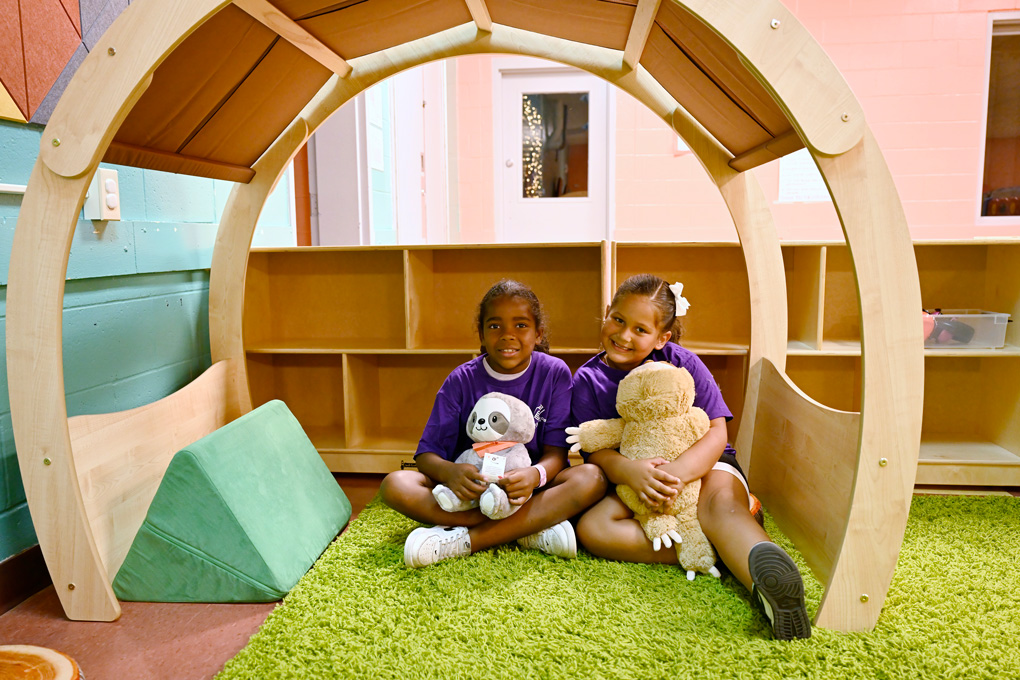
About Our Partnership with Pinterest
Boys & Girls Clubs of America and Pinterest are partnering to create and promote social-emotional wellness opportunities through arts programming in Boys & Girls Clubs across the nation. This partnership supports the social and emotional well-being of youth by equipping Club staff to recognize and care for youth emotional needs, using important social-emotional resources and spaces.
Pinterest is a visual search and discovery platform where people find inspiration, curate ideas and shop products — all in a positive place online. Headquartered in San Francisco, Pinterest launched in 2010 and has over half a billion monthly active users worldwide.
Opening the Door to Emotional Wellness
Boys & Girls Clubs are the connection between school and home, helping to make sure young people’s physical and mental needs are met. Donate to support millions of America’s kids and teens in building the social-emotional skills they need to succeed.


