

Preventing Child Sex Trafficking: What Every Child Caregiver Should Know
Content advisory: This article contains sensitive information about children’s safety. If you suspect someone is a victim of sex trafficking, contact your local law enforcement or the National Human Trafficking Hotline by calling 888-373-7888 or texting *233733.
It can be difficult to imagine a child, especially one you know, experiencing the trauma of human trafficking.
Fortunately, there are actions parents and caregivers can take to protect children in their community. These involve building layers of protection around kids and teens to prevent child abuse of all kinds.
Here are a few resources from Boys & Girls Clubs of America and leading child safety organizations to get you started. But first, it’s essential to understand what child trafficking is and how it can happen.
What is Child Trafficking?
Child trafficking is a serious federal offense that involves the sexual exploitation or forced labor of children. It happens globally, with children reported as 27% of all human trafficking victims worldwide.
Any child can be targeted for trafficking. However, when youth feel unloved, unsupported in their identity or like they don’t belong, they can become even more susceptible to unsafe situations. Research shows that traffickers often target youth who lack strong support networks, have experienced violence in the past, are experiencing homelessness or don’t feel accepted by their family or society.
Foster children are significantly impacted as well, with 60% of underage sex trafficking survivors exploited while in foster care. Organizations like Safe House Project and See Us Now have partnered on the student-led Team Protectors initiative — an effort to spread awareness around the safety and protection of foster children.
Child traffickers also have many ways of connecting with youth — including online, at public places like shopping malls and schools and even through friends or acquaintances. In fact, most offenders are likely to be people kids know, such as family members, caregivers, romantic partners and employers.
5 Actions You Can Take to Keep Kids Safe
Knowledge is power, and we all have the ability to create safer communities for kids and teens.
“As the methods of perpetrators become more sophisticated, it’s more important than ever that everyone who comes in contact with young people gets educated on the signs of child sex trafficking and feels empowered to act,” says Elizabeth Fowlkes, Senior Vice President, Strategy at Boys & Girls Clubs of America.
Here are five actions you can take to help spot child abuse and prevent child sex trafficking in your community:
1. Create a safe space to have difficult conversations with kids.
As children get older, it can become harder to have conversations about tough topics. If you’re a parent or guardian, focus on building trust with kids early on so they feel comfortable coming to you when they feel upset, confused or unsafe. This involves talking to them early and often about safety, community and relationships. Here are a few ways to form a trusting relationship with your child:
- Be actively involved in their daily life. This will make it more difficult for someone else to isolate your child.
- Teach them about setting boundaries and the difference between keeping “good” secrets — like a surprise party — and “bad” secrets that make someone feel uncomfortable or upset.
- Identify other trusted adults for your child to seek support from if you are unavailable.
- Most importantly, assure your child that they won’t get in trouble for talking to you about anything (or anyone) that makes them feel unsafe and that you’ll always believe them.
Show your support for the young people in your life by creating a safe space where they can discuss their feelings.
2. Recognize the signs and report your suspicions.
Learning the signs of child abuse (including child trafficking) increases your ability to identify kids at risk and get them help.
According to the National Center for Missing and Exploited Children, here are some signs that could suggest a child is facing abuse, neglect or trafficking:
- Chronically running away from home
- Unexplained absences from school
- Secret cell phones or apps
- Unexplained gifts or access to cash
- Carrying prepaid credit cards or hotel keys
- A close association with a controlling adult
- Significant changes in behavior towards family members and hobbies
To report your suspicions, call your local law enforcement or the National Human Trafficking Hotline at 888-373-7888 or text *233733.

Signs of abuse or neglect may look different in every child.
3. Raise awareness within your community.
Child abuse prevention starts with awareness. Here are some ways to keep kids and adults in your family and community informed and accountable:
- Show your child how to set up healthy boundaries and respect consent. For example, if your child asks you to stop tickling them, even if they seem to enjoy it, listening teaches them that their comfort and security are important.
- Set expectations for adults to respect your child’s bodily autonomy. For instance, tell family members to ask for your child’s consent before showing physical affection like hugging, kissing or snuggling in bed.
- Find out if schools or other youth-serving organizations in your area (daycares, faith-based organizations, recreational sports, summer camps, etc.) give their staff training in child abuse prevention.
- Advocate for “stranger danger” and child abuse prevention education in schools using age-appropriate resources for kids across grade levels.
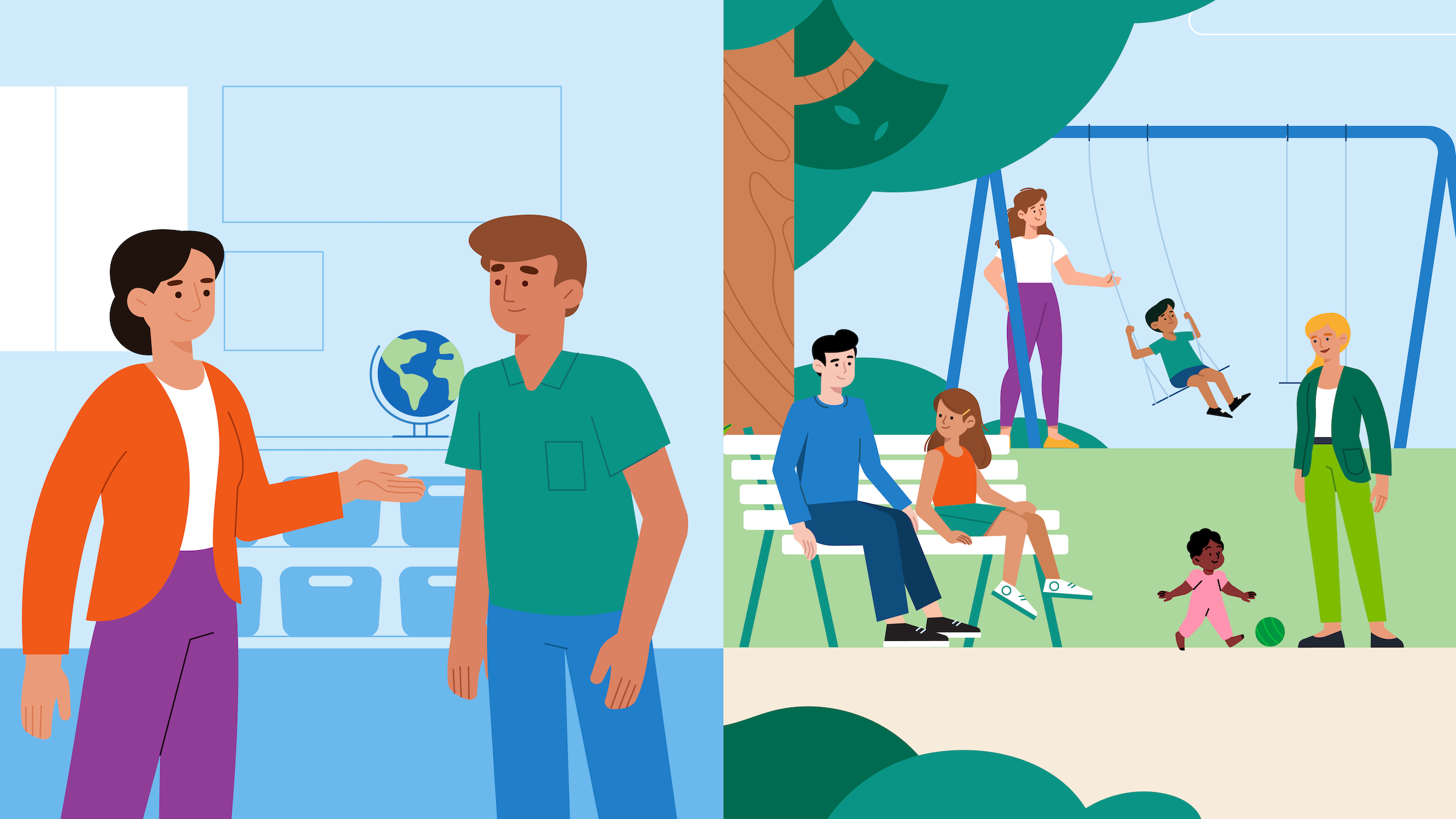
Raising awareness about child trafficking and abuse creates safer, united communities.
4. Look for reputable after-school care.
If your child attends an after-school care organization, ask staff about their abuse prevention strategies and look for credible online reviews. At Boys & Girls Clubs, for example, all volunteers and staff must pass a criminal background check and are not allowed to have one-on-one time with a child. All adults at Clubs go through comprehensive child abuse prevention training, too.
“Boys & Girls Clubs are part of the solution by virtue of providing a safe, inclusive environment where kids feel seen and heard by Club staff and their peers,” says Fowlkes.
Find a Boys & Girls Club near you.
5. Monitor children’s social media use.
Child trafficking and abuse can start in person or online. If you’re a parent or caregiver, review children’s online friend lists on social media often and ask about any people you don’t recognize.
However, monitoring alone isn’t enough. Talk frequently with your child about safe social media use, both when they first get access to a digital device and as they continue to use it over time. Be clear about which online behaviors are safe and unsafe, and create a set of digital safety guidelines and expectations for your family to follow.
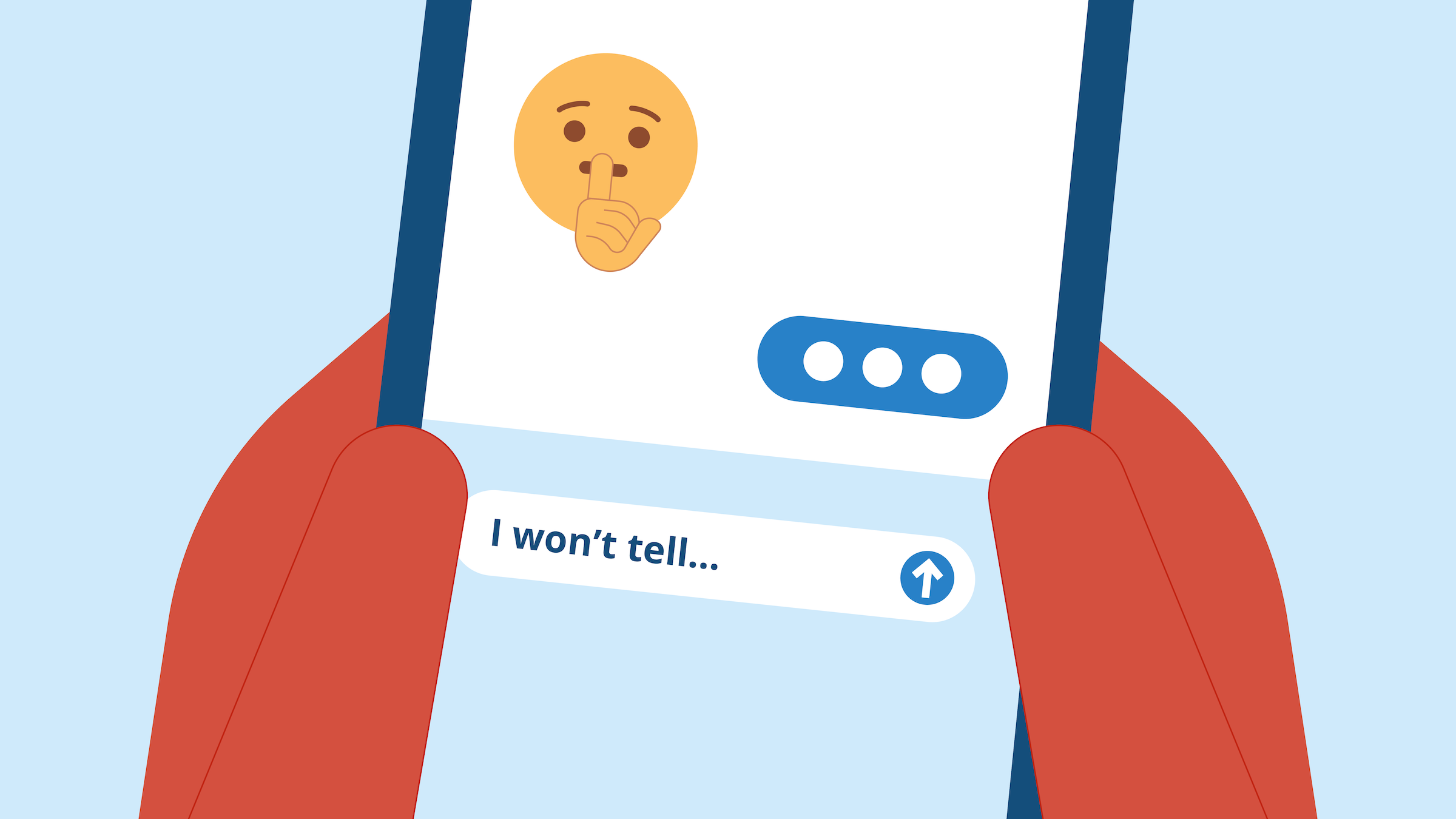
Check in with your child’s social media profile to make sure no one is messaging them that shouldn’t be.
All these actions can help caregivers protect children from abuse, but unfortunately, it still can happen. If a child tells you they’ve been abused or trafficked, maintaining a calm and reassuring response can make all the difference in their healing process. BGCA offers resources to support caregivers, including phrases to use and avoid to help children feel comfortable sharing their experiences.
Find more child abuse prevention resources from Boys & Girls Clubs of America.
This article was originally published on Dec. 3, 2019 and has since been updated.
Stay in the Know
Boys & Girls Clubs of America provides mentorship, programs and meaningful life experiences that boost young people’s self-esteem, build confidence and contribute to their overall well-being. Sign up for our newsletter to receive the latest resources and stories.