


Ways to Build Trust Between Parents and Teens
Healthy, supportive relationships are built on trust. Trust is the belief in someone or something’s ability, strength, truth or reliability.
It takes time to build trust in a relationship. It’s also a two-way street: You place your trust in another individual and ask that they place their trust in you.
When parents and teens trust each other, it’s easier for both parties to discuss sensitive issues. Boys & Girls Clubs of America offers tips to help parents and guardians build trust with kids and discuss sensitive topics like keeping harmful secrets and setting boundaries.
For a parent or guardian and their child, trust is a foundation that benefits both people:
- For kids and teens, knowing their parents/guardians trust them can deepen their sense of safety in the world. Placing trust in teens also supports their self-esteem and confidence as they try new things. When parents/guardians trust teens with age-appropriate privileges and responsibilities, they can help them mature.
- For parents/guardians, having a trusting relationship with your teen means you’re more likely to have an open dialogue and a strong relationship. Without trust, you may find your child catching you off-guard or going around your back. In an open dialogue, you can be your child’s sounding board and support system. Trust also makes it easier for your teen to come to you if they ever feel unsafe, making it a key part of child abuse prevention and protection.
So, how do you begin to build a trusting relationship in a family? And what do you do when trust is broken? How do you regain trust between a parent and a teenager?
Here are some tips for building trust that parents and teens can use to create supportive relationships.
Tips for Parents:
Ways to Build Trust with a Teen
1. Ask open-ended questions.
When talking to your teen, ask open-ended questions that encourage them to add their thoughts and feelings. By doing this, you’ll begin to establish an open dialogue. They’ll know that you’re interested in what they have to say and that there is space for them to share their ideas and emotions.
2. Connect in everyday moments.
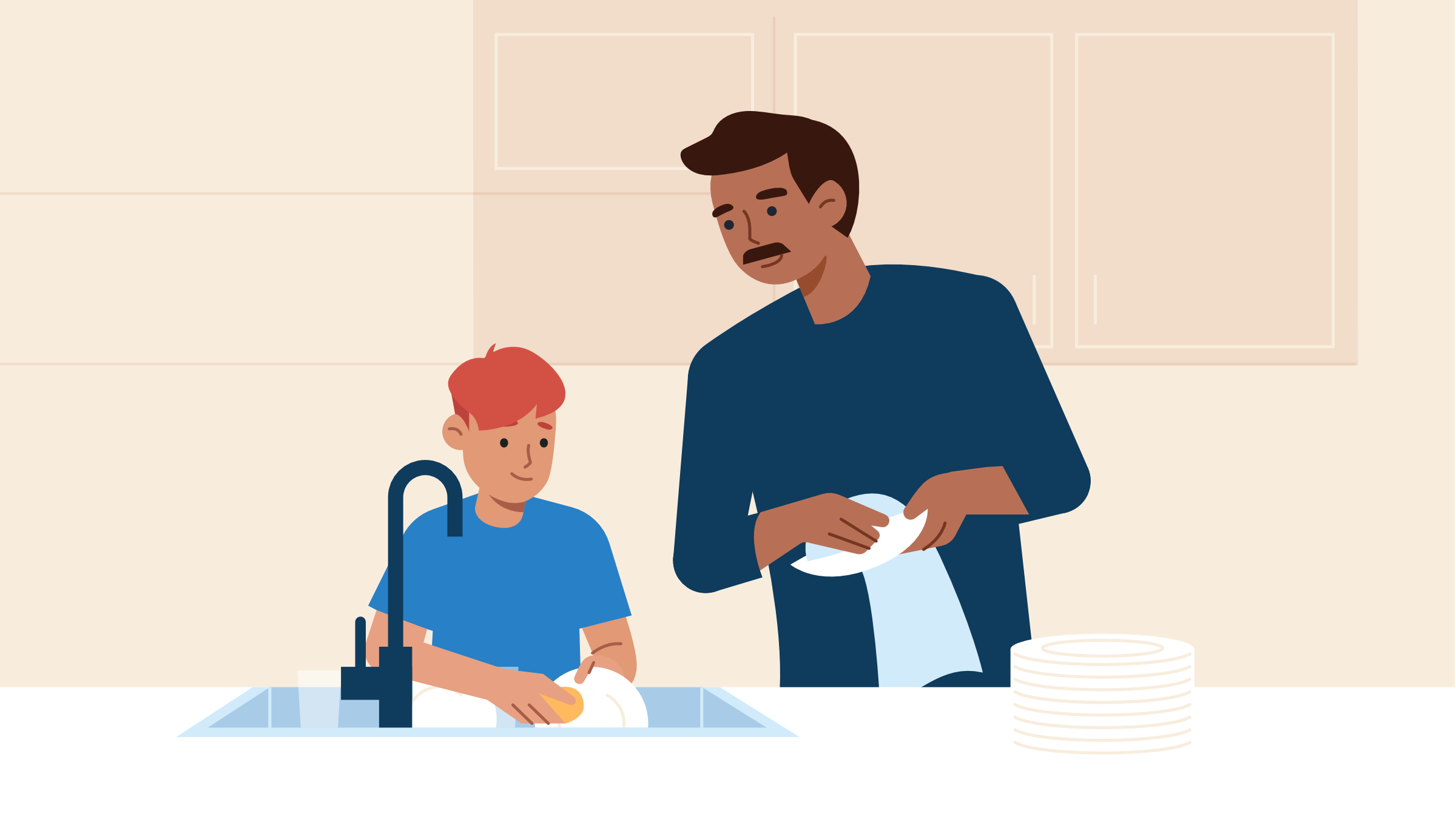
Making a “big deal” about discussing sensitive topics can make conversations feel awkward or one-sided. Teens may also feel intimidated by conversations that take place face-to-face with lots of eye contact. Try introducing topics related to trust and safety in side-by-side conversations, like during car rides, doing dishes or watching TV. You can even use on-screen stories to segue into your teen’s life and discuss relationships and boundaries.

Using everyday moments to connect can build stronger parent-teen relationships over time.
3. Give specific encouragement.
7 out of 10 youth surveyed by Boys & Girls Clubs of America say that when something important goes wrong in their life, they can’t stop worrying about it, and 67% try to keep people from finding out.
To deepen your teen’s trust in you, share your own experiences of the issue at hand. For instance, if your teen is opening up to you about feeling anxious or depressed, you can share a time when you felt the same way. Validate their feelings and how their sharing is important to you and encourage them to describe their plans and feelings. You might say:
- “I feel sad like that, too, sometimes. In fact, last week, I felt like that when [event happened]. I appreciate you being so open with me.”
- “So, what do you think you’ll do next when it comes to [topic]?”
4. Show teens that you’re trustworthy, too (and recognize when you make a mistake).
Remember: Trust is a two-way street. Modeling behavior is one of the biggest influences a parent has in their child’s life. Being an accountable partner in a trusting relationship means doing what you say you’ll do and being honest about your thoughts, feelings and mistakes. When you go against your word, be upfront and tell your teen about it. Share that you recognize the consequences, and apologize if needed. An example might be:
- “I know what you shared with me the other day was private. It was on my mind today and I told your grandma without thinking, which wasn’t fair to you. I wanted to let you know, and I’m sorry. Next time, I will be more thoughtful about what I share. It’s really important to me that I honor what you’d like to keep private.”

Own up to your mistakes in open, honest conversations with your teen.
5. Give your teen opportunities to be independent.
Parents often worry about the decisions their children will make in the world, but a trusting and supportive relationship can’t be kept under lock and key. Give your teenager chances to be independent and feel the trust you’ve bestowed on them. If you’re worried about their safety, be honest about that. Tell teens that their safety is your utmost concern, and work together to create an effective safety system that covers boundaries, privileges and emergency contacts.
You might feel worried about something specific, like your teen being sexually active with their significant other or starting social media accounts without your knowledge. In these cases, address that specific worry with your teen, talk through scenarios of how they would act and let them know they can always talk to you. After all…
6. In good times and bad, be on their team.
As a parent or guardian, the key to building trust with teens is to be on their team, no matter what. Even if it’s a tough issue, promise your teen that you’ll work it out together. When teens know you support them, they’re more likely to share choices and decisions before making them. But even if they don’t, they’re more likely to come to you afterward. Being on your teen’s team doesn’t mean there are no consequences for bad decisions, but it does mean that you’re in a trusting relationship that doesn’t change when circumstances shift.
Learn more ways parents can support their teens’ emotional well-being with these tips from the Center for Parent and Teen Communication.
Tips for Teens:
Ways to Build Trust with a Parent
1. Tell your parent what you need.
To establish a trusting relationship with your parents or guardians, let them know what you need from them. Sometimes they may not realize they’re doing something that makes you self-conscious or worried about talking to them. You might say:
- “[Mom/Dad/Guardian], I want to be able to tell you about some things I’m thinking about. But I worry about how you’ll react. Whenever I bring up [topic], you gasp or interrupt me, which makes me shut down. Can we figure out a way for me to share things without you reacting right away, and then we talk it out? I want to be able to talk with you openly.”
2. Strive to be honest.
Being honest with your parents is the best way to earn their trust. Telling the truth gives your parents a peek into your world. They’ll gain a better understanding of how you’re doing, both when you’re doing great and when you need their help.
There will be times when you slip up or make a mistake. That’s part of growing up! In those instances, it’s best to be upfront with your parents. Lying or omitting information is a quick way to break someone’s trust, and even more so when parents find out from someone who isn’t you.
Being honest with your parent is one of the best ways you can earn their trust.
3. Tell them how much their trust matters to you.
Parents aren’t mind-readers, and many spend a lot of time worrying about their kids. When your parent or guardian trusts you to stay home by yourself, spend time with a significant other or use technology like social media, tell them how much that means to you. You might say something like:
- “Thank you for letting me do [activity]. I know it’s not always easy for you, but I really loved feeling independent. Your trust means a lot to me.”
How to Rebuild Trust with Your Teen or Parent
In most relationships, there are times when trust is tested. Rules are broken, mistakes are made and feelings are hurt. During the teenage years, parents and teens may find navigating trust tricky as teens feel ready to be more independent.
If a parent or teen breaks the trust in their relationship, here are some considerations as you work to regain trust:
1. Talk it out.
Lean back into that open dialogue and discuss what happened, how both of you feel about it, the consequences of what happened and how you might move forward.
2. Know that regaining trust takes time and consistency.
Sometimes, you’re going back to square one on building trust. By consistently showing your commitment to getting back to a trusting, supportive relationship, you’ll slowly get there — but it’ll take time for the other person to trust you again. Keep trying and stay consistent!
3. Give chances, but reaffirm boundaries and consequences.
Going from a relationship full of trust and freedom to a relationship with many restrictions can make a bad situation worse. Give the person who broke your trust opportunities to be successful in regaining it, but remind them of boundaries and consequences.
4. Spend quality time together.
While regaining trust between a parent and teen takes time, one of the best ways to heal after trust is broken is spending time together doing something you both enjoy. Take a pause from navigating the situation and emotions, and dedicate some time to having fun together.

Building trust with your teen is a two-way street that will help create a mutually beneficial supportive relationship.
This article was originally published on June 17, 2022 and has since been updated.
Stay in the Know
Boys & Girls Clubs of America provides mentorship, programs and meaningful life experiences that boost young people’s self-esteem, build confidence and contribute to overall positive well-being. Sign up for our newsletter to receive the latest resources and stories.