

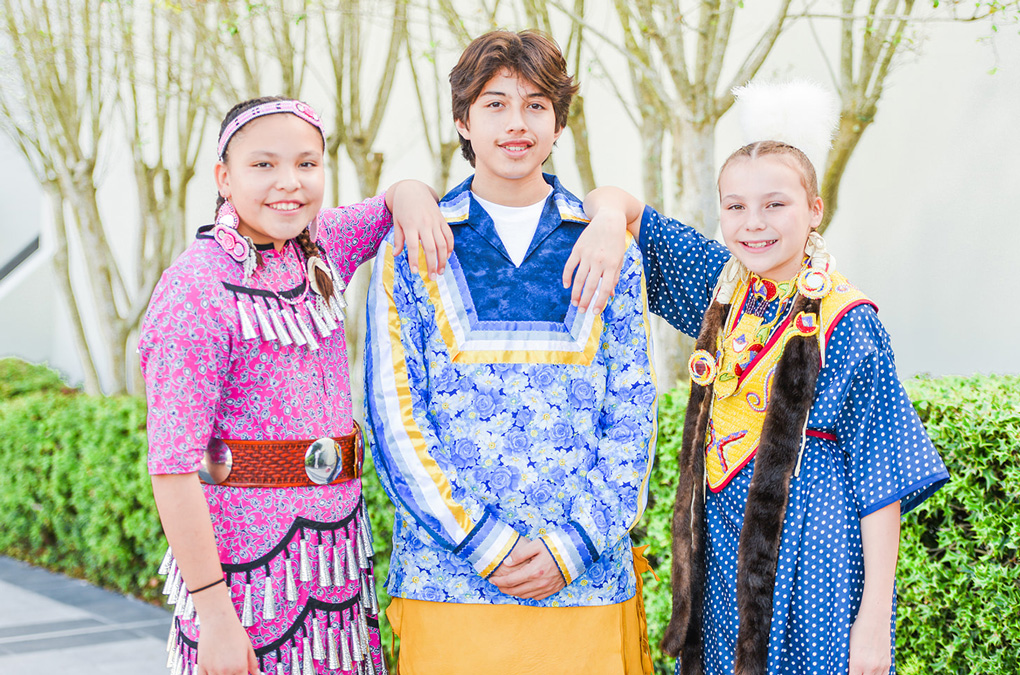
What is Indigenous Peoples’ Day? How to Celebrate with Kids & Teens
On the second Monday of October, our nation honors Indigenous Peoples’ Day, commemorating the heritage of Native American people. It’s also a day kids usually have off from school and hear about. But some Americans don’t know why or what it’s all about. And for many Americans, they remember this holiday as Columbus Day. Read on to learn what’s changed and why.
What is Indigenous Peoples’ Day?
Indigenous Peoples’ Day recognizes the strength and resilience of Indigenous communities since European ships first arrived in North America in 1492. It’s also a time to celebrate the cultures, traditions and contributions of Native people in the U.S. today.
Indigenous Peoples’ Day is often celebrated alongside Columbus Day or in place of Columbus Day. Columbus Day recognizes the arrival of Christopher Columbus in North America, often celebrated as the start of the “new world.” But this new world was already occupied by the Indigenous people.
“The word ‘Indigenous’ refers to the original inhabitants of a place. As such, Indigenous Peoples’ Day honors the first people to live on our country’s land,” says Carla Knapp, Vice President of Native Services at Boys & Girls Clubs of America, the largest youth services provider on Native lands. Carla and her Native Services team develop curricula, programs and resources that support over 260 Boys & Girls Clubs on Native lands in keeping traditions alive for Native youth by incorporating Native languages, art, food and more into after-school activities.
Carla says, “Native people have battled the odds to overcome centuries of oppression, and to find ways to thrive and prosper. For Native people like me, there’s an opportunity in this more culturally-connected world to reclaim our history and our stories — and for other people to recognize and respect them.”
Not yet a federal holiday, Indigenous Peoples’ Day has been honored at the national scale since 2021, when President Joe Biden became the first U.S. President to mark the holiday as Indigenous Peoples’ Day via presidential proclamation. However, there is ongoing advocacy around making it a federal holiday.
How to talk to kids about Indigenous Peoples’ Day
For children with Native American ancestry, Indigenous Peoples’ Day is an opportunity to celebrate their heritage. Other kids may only know Native American history from Thanksgiving celebrations and have questions about what Indigenous Peoples’ Day is all about.
With this range of experiences in mind, it’s valuable for kids to have conversations with adults about this holiday. Here are some questions kids might ask about Indigenous Peoples’ Day and tips on how to respond.

-

Who are Indigenous people?
Indigenous people have lived on our nation’s land for thousands of years. They have roots in American Indian, Alaska Native, Native Hawaiian and American Samoan ancestries. Today, there are over 600 Tribal Nations recognized in the U.S., all representing different languages, traditions and ways of life. Boys & Girls Clubs of America partners with Tribes to provide culturally rich afterschool and summer programs for kids.
-

Why do we celebrate Indigenous Peoples’ Day?
Indigenous people have made major contributions to our society, from medicine and travel to agriculture and invention (like snow goggles — the predecessor for sunglasses)! However, many of these contributions go unrecognized. This is a result of Native Tribes enduring generations in a nation that stripped away their ancestors’ rights, land ownership, livelihoods, health and safety — all inequities that remain very real for American Indian and Alaska Natives representing just 1% of the U.S. population today. By celebrating Indigenous Peoples’ Day, we highlight their legacy, resilience and ongoing impact on our country.
“As an Indigenous person, it is an honor to celebrate Indigenous Peoples’ Day as we elevate our cultures, history and traditions,” says Carla Knapp. “It is just as important for all people to know our true history, understand the diversity and depth of Indigenous peoples and how hard we’ve worked for recognition and visibility.”
-

Is Columbus Day still called Indigenous Peoples’ Day?
Columbus Day became an official U.S. holiday in 1972 under President Richard Nixon. In the early 1990s, many U.S. cities, universities and states began observing Columbus Day as Indigenous Peoples’ Day, recognizing the Native citizens who lived on our country’s land before European explorers arrived. Columbus Day is still celebrated in some states, with others celebrating in parallel with Indigenous Peoples’ Day or in place of Columbus Day.
-
Why are Native Americans called Indians?
Italian explorer Christopher Columbus thought he had sailed to India when he first stepped foot on what is now known as the United States. Under this assumption, he referred to the people he met living on the land as Indians. While history recognizes Columbus’s error and many have adopted the term “Native Americans,” some Tribal Nations accept the term “American Indian” to describe their identity. Other Native people prefer the term “Indigenous.”
-
How do you explain land acknowledgements to a child?
A land acknowledgement is a public statement that recognizes the original Tribal inhabitants of a specific area of land by name. Children might hear land acknowledgements at school or community events, or see them on websites and social media, particularly around Indigenous Peoples’ Day. When explaining land acknowledgments to kids, discuss how they’re a sign of respect for Tribal communities and a shared commitment for how we treat the land we share.
Here are a few more best practices for talking to children about Indigenous Peoples’ Day:
- Know the terms: Explain that it is acceptable to use “Native American” and “American Indian.” We no longer use the term “Indian” to describe Indigenous people.
- Be specific: With over 600 Tribal Nations in the U.S., there’s a lot of diversity. When referring to a person with Native heritage, use the name of their Tribe when possible. Example: She is a member of the Nisqually Indian Tribe. It’s also good to know that some Tribes and Tribal Nations refer to themselves as “members;” others use “citizens.” When in doubt, use citizen.
- Let go of outdated language: Tell young people to avoid using words like wampum, warpath, powwow, teepee, brave, squaw, etc., which may perpetuate stereotypes and can be offensive to Indigenous people in certain contexts.


How to Celebrate Indigenous Peoples’ Day with Kids
Through nature, music and more, kids can honor Indigenous Peoples’ Day by participating in activities that reflect Native history and cultures.
“I am really proud to be a Native American,” says Boys & Girls Club teen, Anna. “My Club brings in people from across our community to help kids connect with our heritage, from storytelling to music to hosting cultural meetings. Our walls are even painted with our patterns and symbolism.”
Here are some ideas for how to honor Indigenous Peoples’ Day with kids:
-
Find out which Tribal territory you live in and explore the land.
It’s up to us to teach kids that Indigenous cultures are alive, and their legacy is everywhere. A great first step is to discover which Tribal territory your family or classroom resides in by entering your zip code in the Native Lands interactive map. Afterwards, visit historic Tribal sites nearby to learn about their unique traditions. You can also explore the land by hiking, stargazing or canoeing in local parks and waterways.
-
Make Indigenous Peoples’ Day art projects and recipes.
Generations often pass down traditional meals and crafts, providing an easy way for kids to connect to cultures. From beadwork to basket weaving, look up YouTube tutorials for kids’ Indigenous Peoples’ Day art projects. Between crafts, whip up a snack together with these recipes for homemade cornmeal (for some delicious cornbread) or Three Sisters Salad from Boys & Girls Clubs on Native Lands.
-
Continue your learning into November by celebrating Native American Heritage Month.
Native American Heritage Month is just a few weeks after Indigenous People’s Day, providing kids with more opportunities to learn about Indigenous cultures and share their Native heritage. Think ahead by exploring these kids’ activities for Native American Heritage Month — including books, music and more to honor Native traditions and expand young people’s worldview.
It’s important for children to learn about diverse cultures and build their curiosity, global perspective and respect for all they meet. Join Boys & Girls Clubs in honoring Indigenous Peoples’ Day. We hope you use this holiday to talk to kids about our nation’s history and celebrate meaningfully.
Stay in the Know
Boys & Girls Clubs on Native Lands provide a safe, nurturing place where youth connect with mentors, build resilience and learn skills for a healthy and happy life. Sign up for our newsletter to receive the latest resources and stories from Boys & Girls Clubs of America.


