

Adulting 101: Essential Skills Every Teen Needs
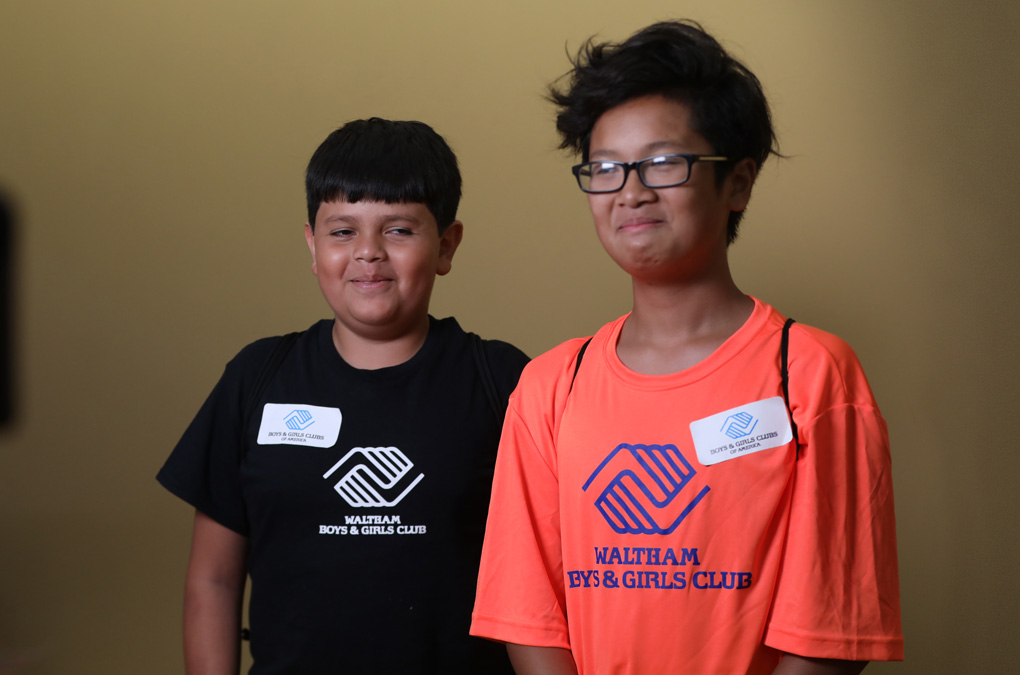
Gen Z faces stereotypes around being disinterested and disconnected, but Boys & Girls Club kids say otherwise. “Teens today are interested in learning how to be successful and provide for themselves,” says 20-year-old Club alum and current college student Brooke M.
One thing this generation is interested in: basic life skills. From changing a tire to knowing how to talk to someone in a career field they’re interested in, Gen Z wants practical skills that will apply in life after high school. “These skills are important because some of them are not taught at school and they’re things people just ‘assume’ you know how to do,” adds Brooke.
What young people call “adulting,” Boys & Girls Clubs call life and workforce readiness. During afterschool programs and in the summer, Clubs help fill the gap between school and home, helping kids build take-anywhere skillsets to lead successful lives. Read on for some of our tips for helping teens confidently face their future as grown-ups.
Define: “Adulting”
The phrase “adulting,” thought to be coined by the millennial generation, is the subset of everyday skills that take place in adulthood. While adulting’s meaning might vary from person to person, there are some universal themes of adult life where teens can focus on skill-building.
Some life skills that young people encounter soon after graduation day might include:
- grocery shopping and cooking for themselves;
- finding and scheduling annual doctor’s visits; and
- being solely responsible for their time management, health and habits.

The concept of #adulting includes practical real-world skills, including:
- managing personal finances, filing taxes and understanding credit;
- having basic automobile knowledge and knowing what to do when something goes wrong on the road; and
- navigating career and life changes, from finding a job to becoming a parent — and all the interview tips and diaper changes in between.
It also includes soft skills that apply in adult life, such as:
- building positive friendships and romantic relationships and knowing how to identify and leave toxic relationships;
- managing emotions, moods and overall mental health; and
- finding balance and fulfillment in life.
How to Equip Teens with “Real World” Skills
Beyond turning 18, how can teens earn their “adulting” card?
“Many of us grown-ups learned things the hard way,” says Morgan Lindsey, Operations Director at Boys & Girls Club of Vernon in Texas. “At our Boys & Girls Club, we aim to help teens get a few steps ahead.” Their Club hosts an annual Adulting Day event that prepares high school seniors for the practical, emotional and social realities of adulthood.
While “Adulting Day” packs a whole lot of grown-up skills in one day, here are some great ways to help kids build real-life skills year-round:
Get involved in the community.
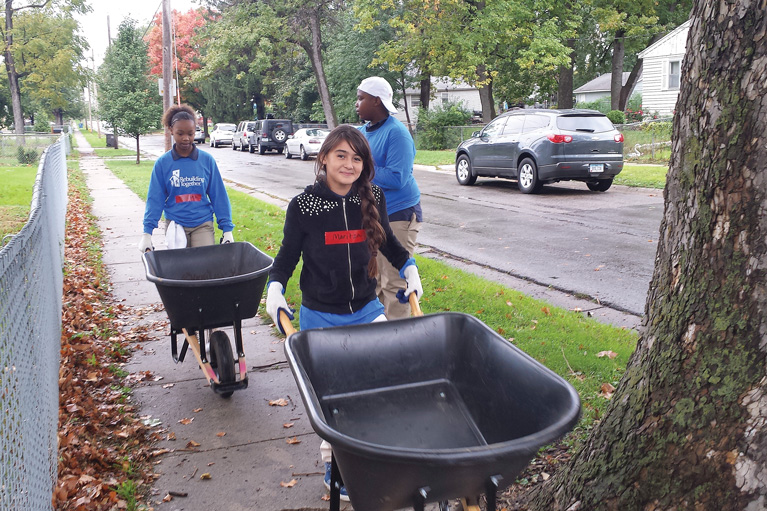
Help teens sign up for something in the neighborhood or community where they interact with diverse groups and take on responsibility. Volunteering or community theater are great ways to practice talking with adults and taking that “group project” workload into a real-life setting.
Join internships and job shadowing.
These options are a great way to take a “toe dip” into a company or industry and to quickly gain on-the-job experience.
Find a Boys & Girls Club.
Boys & Girls Club afterschool programs and summer youth services provide young people with mentorship, college prep and life and workforce readiness programs.
5 Life Skills Teens Need to Learn
-

How to speak up for yourself.
Self-advocacy is the ability to speak up for yourself. This skill is especially critical for Gen Z, who rely on social media and texting for much of their communication. Self-advocacy in action might look like: being able to ask for help or assistance; voicing an idea or question in a meeting; feeling comfortable saying “no” to requests; and building influence and leadership in a school setting, the community or at home.
Once teens learn to advocate for themselves, they can add to this skillset by building a personal brand and deepening leadership skills. At Boys & Girls Clubs, the Youth of the Year program, sponsored by national partner Toyota, empowers teens in personal storytelling and advocacy. As part of a year-long leadership development journey, the teen who earns the title of their Club’s Youth of the Year can advance to the state level and then the regional level to earn the title of National Youth of the Year — receiving college scholarships, a brand-new Toyota Corolla and the major responsibility of serving as a national teen spokesperson.

-

How to manage personal finances.
One of the first real-world hurdles teens come up against is money management. Boys & Girls Clubs teach personal finances through Money Matters, where youth develop financial literacy skills, including saving, budgeting and practical skills for lifelong financial stability.
“One of the biggest challenges teens face is spending money on things we want but don’t necessarily need,” says Club teen Mohammad A.. “I’ve seen my friends burn through their paychecks — living in the moment instead of considering the long term. Money Matters helped me understand the costs of basic necessities like groceries, monitoring my spending, and practicing the 50/30/20 rule of budgeting.”
-

How to find a mentor.
Mentors provide incredible benefits — from a listening ear to valuable connections and guidance. They can especially be helpful for teens navigating adolescence and identity, as well as figuring out what to do after high school. This advice can help parents, caregivers and teens know what to look for when finding a youth mentor.
-

Daily routines including personal hygiene and household tasks.
Parents and caregivers can help teens practice these at home, from doing their own laundry to helping with grocery shopping, cooking and clean-up. While it’s good for teens to learn the physical steps of these tasks, it’s equally as important for them to understand why they’re essential.
-

How to find a job (and keep making career moves).
From interview tips to writing a strong resume, young adults need to know how to search for jobs, secure a job and then maintain it. Participating in a workforce readiness program, like those offered at Boys & Girls Clubs, can help teens get ahead on being job-ready with college prep programs, applying for scholarships, job shadowing, first-job opportunities and more.
National partners like the Coca-Cola Company work with Boys & Girls Clubs to provide career exploration experiences to ignite youth interest in a variety of fields. From sports marketing and entertainment to STEM and manufacturing, Club teens can get a behind-the-scenes peek into the wide variety of careers available at the Fortune 100 beverage company.
There is no one answer to the question “what does it mean to be an adult?” But any grownup can tell you it means doing your best with what you have, learning and re-learning, making mistakes along the way and learning to live with your choices.
From that first spark of interest in a dream job to securing internships, first jobs and college scholarships, Boys & Girls Clubs set today’s youth up to build the great futures they envision.
What today’s young people call “adulting,” Boys & Girls Clubs call life and workforce readiness. Boys & Girls Clubs are kids’ first network — the place where they meet mentors, hone their skills, ignite their interests and connect to opportunities.
Great Futures Start Here
Boys & Girls Clubs of America supports young people and communities year-round through safe and inclusive places, caring mentors and life-enhancing programs. Boys & Girls Clubs empower teens to graduate on time with a plan for the future. Join us in supporting the next generation of leaders.


