

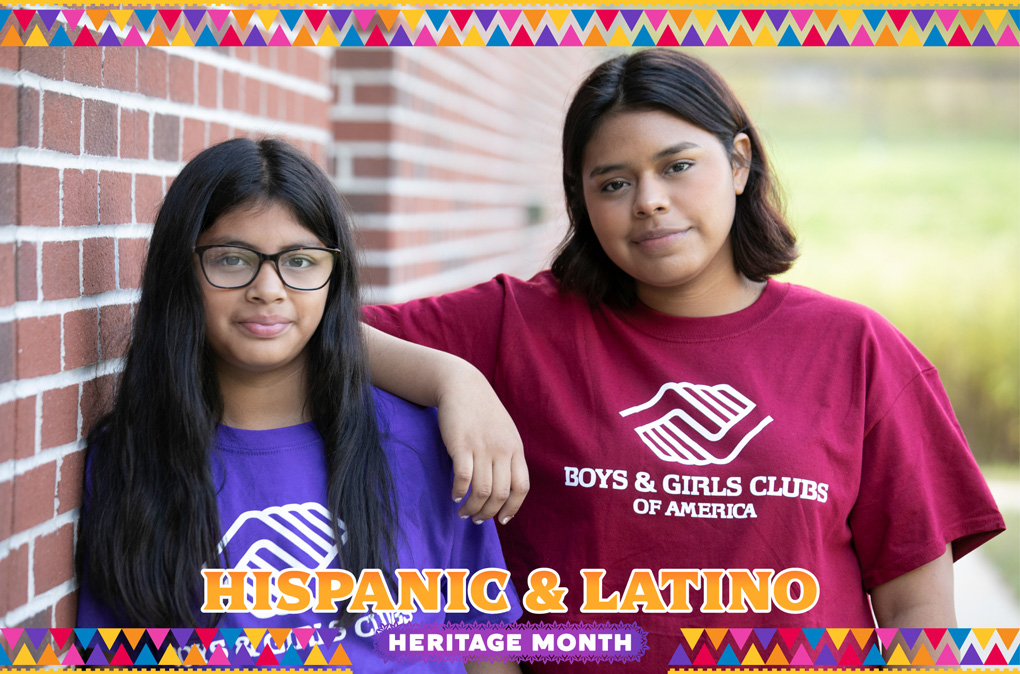
8 Ways to Celebrate Hispanic & Latino Heritage Month
When kids and teens learn about cultures, they broaden their view of the world and deepen their understanding of others. Heritage is the story of where we come from and what we bring forward into our future.
Hispanic and Latino heritage is rich with history, culture and exciting contributions of Hispanic and Latino Americans past and present. Hispanic & Latino Heritage Month offers families, teachers and afterschool providers an opportunity to explore these vibrant cultures.
When is Hispanic Heritage Month?
National Hispanic Heritage Month is celebrated from Sept. 15 to Oct. 15. Why the two-month cross-over? This time period spans the Independence Day celebrations of Belize, Chile, Costa Rica, El Salvador, Guatemala, Honduras, Mexico and Nicaragua.
First started as Hispanic Heritage Week in 1968, it was expanded to a month by President Ronald Reagan in 1988.
Why is it important to celebrate Hispanic & Latino Heritage Month?
Latino, Hispanic and Latinx Americans have wonderful traditions to honor during this month and year-round.
They’re also a vital part of the American population. One in five Americans is Hispanic or Latino, according to the 2020 Census.
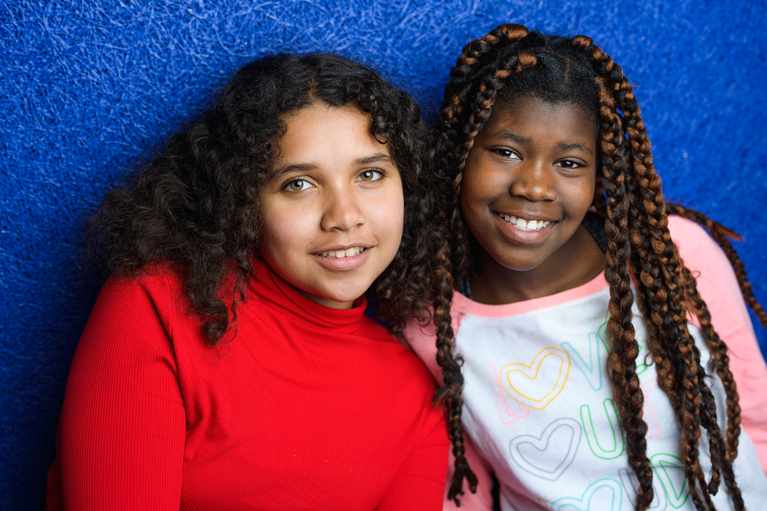
At Boys & Girls Clubs, about a quarter of all Club members identify as Latino or Hispanic. Clubs encourage a sense of belonging for all young people. 95% of Club kids who identify as Hispanic or Latino say the people at their Boys & Girls Club accept them for who they are.
Kids build respect and curiosity when they learn about other cultures. Even if your family isn’t from Spain, Mexico, the Caribbean, Central or South America, you can still celebrate Hispanic Heritage Month.
What’s the difference between Hispanic, Latino, Latinx and Latine?
Heritage and identity are personal and the words to describe both evolve. One example of this is the ongoing conversation around the terms Hispanic vs. Latino, and newer terms Latinx and Latine.
- Hispanic, while broadly used, is actually pretty specific. It refers to a person’s language, meaning someone from Spanish-speaking Latin American countries or Spain.
- Latino identifies people who have heritage rooted in Latin America, regardless of what language they speak. For instance, a Portuguese-speaking person from Brazil may identify as Latino, not Hispanic.
- While Latino may not refer to language, the Spanish language employs masculine and feminine versions (Latino vs. Latina respectively). The word Latinx and the more recent Latine shift from using the masculine word as the default descriptor. Latinx is more well-known among English speakers currently.
Always ask someone how they identify and which word they choose to go by.
Whether you call it Hispanic Heritage Month, Latinx Heritage Month or another version, they all focus on one thing: the celebration of heritage.
8 ideas for celebrating Hispanic Heritage Month with kids
When kids learn about diverse cultures and heritage, they grow their curiosity, perspective and respect for themselves and others. From tasty eats to virtual tours, here are some Hispanic Heritage Month activities to engage the young people in your life:

Dish up some delicious flavors.
A variety of Hispanic and Latino foods are available in the United States. With our border with Mexico, Mexican food is often a kid favorite from an early age.
Before cooking or going out to eat, discuss the ingredients and spices that make these dishes special. Taste and smell cumin and paprika. Does your child have a favorite dish that originates from Mexico, the Caribbean, Central and South America, or Spain? Google it to learn more about where this recipe comes from.
While you’re exploring recipes, bring some new cultures to the table by trying the following Hispanic and Latino dishes:
- Argentina introduced the world to chimichurri sauce. This herbaceous green sauce tastes great served on top of proteins or vegetables or used as a marinade.
- You’ll likely have the ingredients on hand for kid-friendly migas. A popular dish in Spain, Portugal, Mexico and Texas, migas combines scrambled eggs, tortilla chips, melty cheese and pico de gallo.
- With origins in both Columbia and Venezuela, arepas are the ultimate sandwich – fried corn cakes stuffed with chicken, avocado and more. To earn extra kid points, watch the movie “Encanto” before making the cheese-filled arepas from the film.

Take a local or virtual tour.
Many organizations feature Latinx history, music or art during Hispanic Heritage Month. Explore exhibits, museums and other opportunities in your community. If there’s nothing nearby, a virtual tour can help kids learn about the contributions of Latino communities and individuals.
- La Casa Azul is Mexican artist Frida Kahlo’s former home. The name literally translates to the Blue House. Now, it’s a museum dedicated to her work and life that can be toured virtually.
- The Smithsonian’s Museum of the American Latino shines a light on the legacy of U.S. Latinos and Latinas.

Learn about Hispanic and Latino celebrations and traditions.
Celebrations create connection and fun everyone can enjoy. Plus, experiencing how a culture celebrates is a great way to learn.
Take some time to explore Hispanic and Latino traditions around celebrations. Each country has its own unique and colorful ways to celebrate. For instance, festive traditions like piñatas, Día de los Muertos (an early November-based “Day of the Dead”) and quinceañeras (the celebration of a young woman turning 15) all originate from Mexico.
Boys & Girls Clubs of the Los Angeles Harbor is well-known for their Día de los Muertos block party, where Club kids assist in making food, music and decorations.
Whether you’re attending a cultural celebration or watching one on TV, talk about it with your child with these conversation-starters:
- What is the purpose of this celebration? How did it get started?
- What are the values and beliefs being celebrated?
- What music is being played and how is it contributing to the event? If there are dancers, are they wearing special costumes or accessories?
- What symbols are associated with this celebration? Why?
- What foods and drinks are served?
- How can I be respectful of this culture and its traditions?

Give your game night a Hispanic Heritage Month twist.
Kids learn through play. If your kid enjoys a game of chance, then odds are they’ll enjoy the card game Lotería. Lotería is Mexico’s version of Bingo. Players will match words called out (such as el arbol – the tree, or el camaron – the shrimp) to their game board. When they’ve got a row, the winner shouts “¡Buena!” to end the game.
The Smithsonian also has a collection of games and activities for purchase from their “Nuestra América” series. Play their bilingual memory card game or piece together their puzzle to learn about famous Hispanic Americans.

Explore Latinx heritage through art.
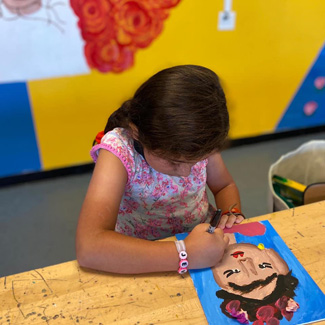
Pablo Picasso, Frida Kahlo, Salvador Dali, Fernando Botero, Diego Velázquez and Francisco Goya – Latinx and Hispanic artists are some of the most famous of all time.
- Google their masterpieces and discuss what makes them stand out. Then, ask kids to try to recreate some of these famous art styles at home or in the classroom. As part of their fine arts program, Variety Boys & Girls Club dedicates a whole week to Frida Kahlo as members recreate her many self-portraits.
- Making Hispanic-inspired crafts is also a great way to experience hands-on learning through art.
- For younger kids, this Hispanic Heritage Month banner printable coloring sheet is a simple activity to do at home.

Read books by Hispanic and Latino authors.
Whatever the age of your reader, there are plenty of books to explore by Hispanic and Latino authors.
These days, you can also find recorded “story times” available on YouTube in English and in Spanish. For young readers, check out “Where Are You From?” by Yamile Saied Méndez, a story about a little girl who always gets asked where she’s from and her grandfather, who helps her understand her identity.

Make it a movie night.
Kid-friendly movies that explore Hispanic and Latino culture are perfect for movie night.
- The hit 2021 movie “Encanto” takes place in Colombia. While your kids enjoy the magical family Madrigal, they’ll also see Colombian fashion, architecture, animals and food. Expect to learn a few Spanish words along the way.
- Inspired by the Mexican holiday Day of the Dead, the 2017 animated film “Coco” explores family and tradition.
- Set to the musical stylings of Lin-Manual Miranda, 2021’s “Vivo” on Netflix celebrates the culture of Cuba as a rain forest creature seeks to deliver a message on behalf of his owner.
- If you’re looking for more movie picks throughout the month, check out these other kid-friendly movie options.
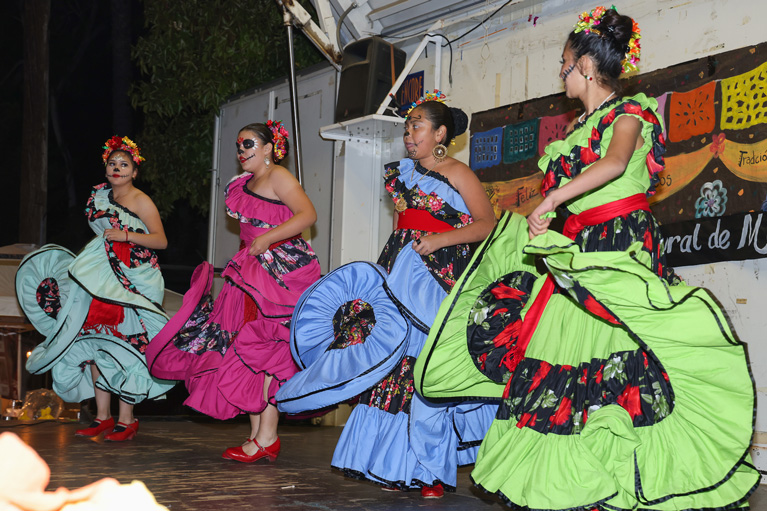

Hit the dance floor.
If your child considers every room a dance floor, it’s time to introduce them to the vibrancy of Latino dance styles. There are plenty of new moves to learn:
- Check out the basic steps of salsa dancing.
- Get moving to these fun, Spanglish-taught cumbia moves.
Exploring culture is a great way to learn about other people while deepening respect for diversity and inclusion.
With these Hispanic Heritage Month ideas, you can celebrate Sept. 15 – Oct. 15 with the young people in your life!
Join the Club
Boys & Girls Clubs of America provides safe places, caring mentors and life-enhancing programs to millions of kids and teens annually. Join us on our mission of helping all young people reach their full potential:
This article was previously posted on 9/1/2021 and updated on 6/13/2024.


