

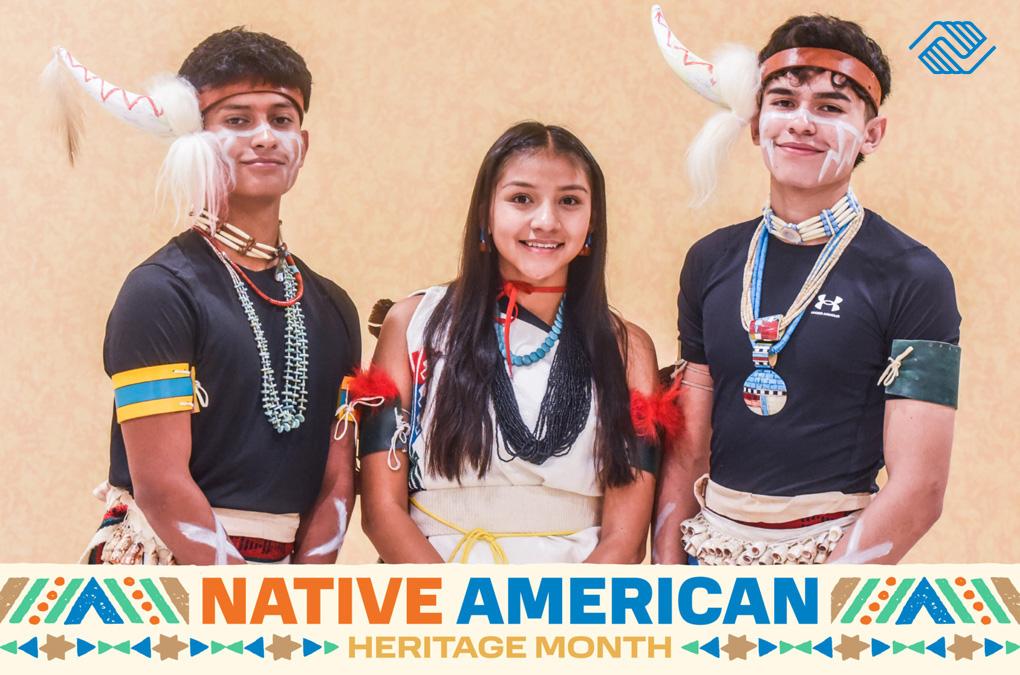
What Native Youth Want Us to Know
In this country, people with Native heritage often feel “invisible” because our voices have been silenced so many times. But in recent years, I’ve seen a change in how our communities are acknowledged and respected.
Well-researched and meaningful land acknowledgements are becoming a more common practice, locally and on national stages. Films about our history have been nominated for Academy Awards, and Native actors are starring in critically acclaimed television shows.
This rise in Native representation and recognition are not my only source of optimism. As always, my deepest hope for change is fueled by the over 120,000 Native youth that Boys & Girls Clubs support every day.
My name is Carla Knapp. I am a proud member of the Penobscot Indian Nation and child of the Bear Clan. It is my honor to lead the Native Services unit at Boys & Girls Clubs of America. My team and I work with Tribes across the country and each of us hails from different Tribal Nations. Together, we provide the safe spaces, skill-building programs and mentorship that Boys & Girls Clubs offer American Indian, Alaska Native, American Samoan and Native Hawaiian youth.
Young people in our country have always been leading movements for change. When they speak out, the world takes notice. Through evidence-informed youth programs, nearly 250 Boys & Girls Clubs on Native Lands empower young people to advocate for their Tribal communities on local, state and national levels.
Lifting Native youth voices is at the heart of everything we do. This includes giving them a platform to address you, our readers and supporters, directly about what’s on their mind.
Based on Boys & Girls Clubs’ extensive and growing work with Native youth, here are some of the top priorities they want the world to know.

What Native Youth Want the World to Know
-
-

Not every Native Tribe is the same.
According to Congressional Research Services, there are nearly 600 Tribal Nations living in the United States today — each with their own languages, customs and perspectives.
It’s just as important to acknowledge our differences as well as our shared resilience. For example, my Tribal language is different than other Tribes. Our cultures are different, too.
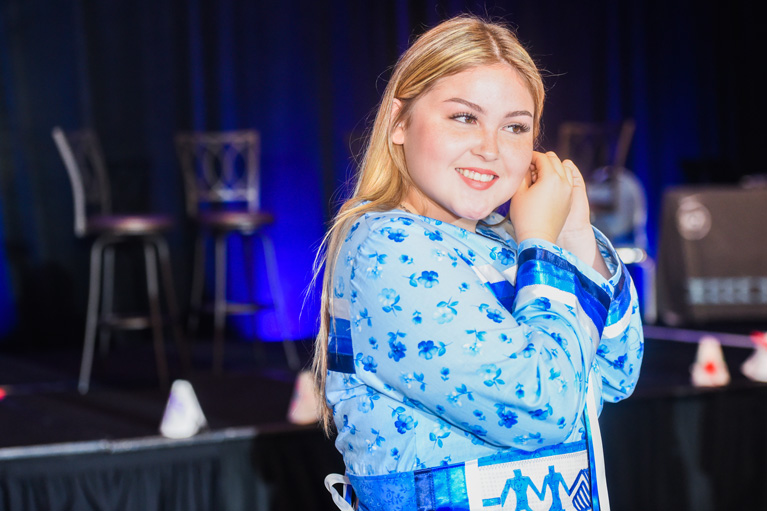
Physical characteristics among Native people can also vary, including eye color and hair color. My husband and I are from the same Tribe. We both have dark hair, but our daughter was born blonde. Many people have been surprised by this, but genetics can vary among Native families as much as any other.
-

Learning and preserving Tribal languages is a priority.
They say when you lose your language, you lose a lot of your culture. Most staff at Native Boys & Girls Clubs are Tribal members. These adults often talk in their Native language with Club kids, which them helps practice and learn. Other Native Clubs will label items in Tribal languages or encourage youth to use phone apps to translate English words into their Tribal language.
Native Clubs also partner with Tribal leaders and schools to run cultural activities. These activities go beyond learning language, helping more kids connect with their cultural identity during out-of-school time.
“Because we’re part of Cherokee Nation, about 80% of the young people we serve have Native American heritage,” says Kevin Benson, Boys & Girls Club of Tahlequah’s middle school program director.
“Many of our school partners run Native American classes, so we urge those teachers to stay after school at our Clubs to do basket weaving or make clay pots with kids while practicing their Native language skills. Some of our Club teens also participate in the annual Cherokee Nation Language Bowl, which tests students in area schools on their Cherokee language speaking and writing skills.”
-
-
-

Climate change, food security and safety are top concerns among younger generations of Native people.
The issues youth care about have a lot of similarities for Native and non-Native youth, but what strikes me is how our heritage influences young people’s top concerns. For instance, climate change and food security are important to many youth today and have specific value to those of us with Native heritage.
Indigenous cultures emphasize the importance of being good stewards to Mother Earth. Many Native reservations are located in food deserts, where young people learn about food sovereignty from an early age. Water is also sacred to us and part of climate justice is ensuring everyone has access to clean water.
At Boys & Girls Clubs on Native Lands, youth have opportunities to get involved in their community, including understanding and stewarding the land. Many participate in activities like community gardening, which helps them learn about and appreciate Indigenous plants and foods.
There are some issues that feel unique to Native people, which often makes it harder to feel heard on the national level. Missing Indigenous people is an issue that resonates strongly with Native young people. American Indian and Alaska Native communities face high rates of violent crime, including a disproportionate amount of missing or murdered people — a scary reality for all, but especially young people who deserve a foundation of safety and security. To raise awareness, “Reservation Dogs” actor D’Pharaoh Woon-A-Tai even made a statement at the 2024 Emmys, walking the red carpet with a symbolic red handprint over his mouth.
-
-

Native youth are more driven by advocacy than ever.
Not only do Native youth care a lot, but they’re advocating for what they care about more than ever. They’re using technology to connect with and advocate for Indigenous communities.
One Native Club utilized media literacy and self-advocacy to create a youth-led web series titled “Our Communities’ Story.” Through digital storytelling, they were able to raise awareness about key issues impacting Indian Country such as mental health support, substance abuse and climate justice. They also invited guest speakers to vocalize their concerns, including a Tribal Chief, Tribal Representatives and Council Members.
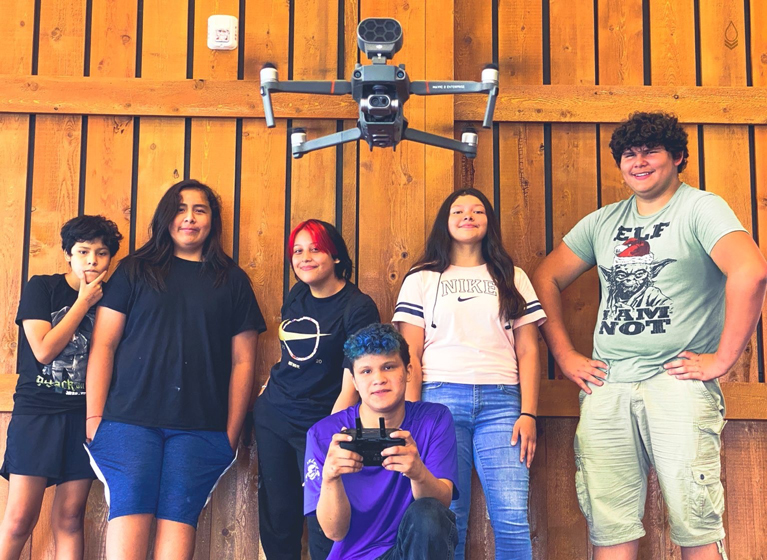
Another Club integrated drone videography, Tribal regalia and rap to create a music video about their culture to spread awareness and defy stereotypes.
Native Club youth in the Pacific Northwest also participated in a four-day, 300-mile relay along the Klamath River to support awareness around the value of the river and its salmon in their community — posting photos to social media as the kids conquered each turn.
Years ago, many Native people were afraid to have their picture taken. Now, Native youth advocates are using technology to preserve our cultures. It’s a beautiful example of how younger generations are adapting to the modern world while honoring their Native roots.
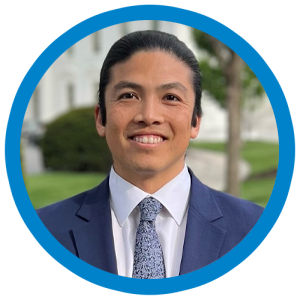
We’re also proudly seeing Native leaders empowering Tribal communities on a national scale, including PaaWee Rivera, a member of Boys & Girls Clubs of America’s Alumni Hall of Fame. As senior advisor to the White House Office of Intergovernmental Affairs, PaaWee helped launch the inaugural White House Tribal Nation Summit, providing a platform for Tribal leaders to discuss critical issues with the president. He’s also advised Native Clubs on using the power of storytelling to engage their elected officials.
What’s Next for Native Youth
When I think of our future, I think of all generations working together — our ancestors, elders, Tribal leaders and, most importantly, our youth. When we give them a voice, we empower them. By listening, we affirm their value and contributions. And at Boys & Girls Clubs, we help them build the life skills and resilience to be successful.
This Native American Heritage Month, and all year long, join us in standing with the next generation of Native leaders. Together, we can ensure our mutual heritage moves us forward and that Native youth step boldly into their future.
Join the Club
Boys & Girls Clubs of America provides mentorship, meals and meaningful life experiences to millions of young people across the nation – including reaching 120,000+ youth on Native lands through nearly 250 Native Clubs. Learn more and join us on our mission of helping all young people reach their full potential:


