

Preventing Child Abuse: 11 Actions Adults Can Take
Content advisory: This article contains sensitive information about children’s safety. If you suspect someone is a victim of child abuse, contact your local law enforcement or the ChildHelp National Child Abuse Hotline by calling or texting 800.422.4453.
Families and communities work together every day to protect children, especially against child abuse and neglect. Like many parental learnings, child abuse prevention starts with awareness and having routine, honest conversations with kids and teens.
“When we understand the difficult experiences our youth navigate, we can adjust our approach to ensure that they always feel safe, heard and understood when they are in our care,” says Kate Endries, LMSW, National Director of Trauma-Informed Practice at Boys & Girls Clubs of America.
Boys & Girls Clubs of America offers several resources to help parents and caregivers navigate conversations about abuse with kids. But while it’s crucial for adults to understand how to prevent child abuse, kids and teens should know how to protect themselves, too.
Here are 11 proactive steps you can take to keep kids safe.
1. Get involved in the lives of kids and teens who are important to you.
Learn about their activities and the people involved in their day-to-day schedules. Be aware of opportunities that can lead to misconduct, such as adults who contact youth outside of school or extracurricular activities. Here are a few questions you might ask:
- “I noticed you’ve got some new friends at softball. I’d love to hear more about them.”
- “I know relationships are hard. Let me know if you ever want to chat about how things are going.”
Safety conversations don’t have to be a “big deal.” Take advantage of side-by-side, everyday moments and ask casual questions about kids’ hobbies and interests.
2. Watch for “grooming” or “manipulative” behaviors in adults.
Red flags might include adults seeking opportunities to be alone with a minor, disregarding a child’s need for privacy (such as privacy in the bathroom), or offering gifts or cash to a young person without a specific reason. Paying attention to a child’s emotional state and keeping lines of communication open will make it easier for them to talk to you when they feel uncomfortable.
Tip: Take note and ask questions if a child doesn’t want to visit a particular friend or family member anymore.
3. Vet after-school care organizations or caregivers for your children.
Your child’s after-school environment should be a safe, nurturing space. Whether children spend time at an organization like Boys & Girls Clubs or with a nanny, always look for caregivers who are credentialed and experienced.
Make sure that the after-school organizations, groups and teams your child participates in minimize one-on-one time with kids. You can also ask about abuse prevention training and screening for adult caregivers. At Boys & Girls Clubs, for instance, all volunteers and staff must pass a criminal background check and are not allowed to have one-on-one time with a child.
Did you know? 90% of kids say they feel safe being themselves at their Boys & Girls Club with adults who listen to and understand them.
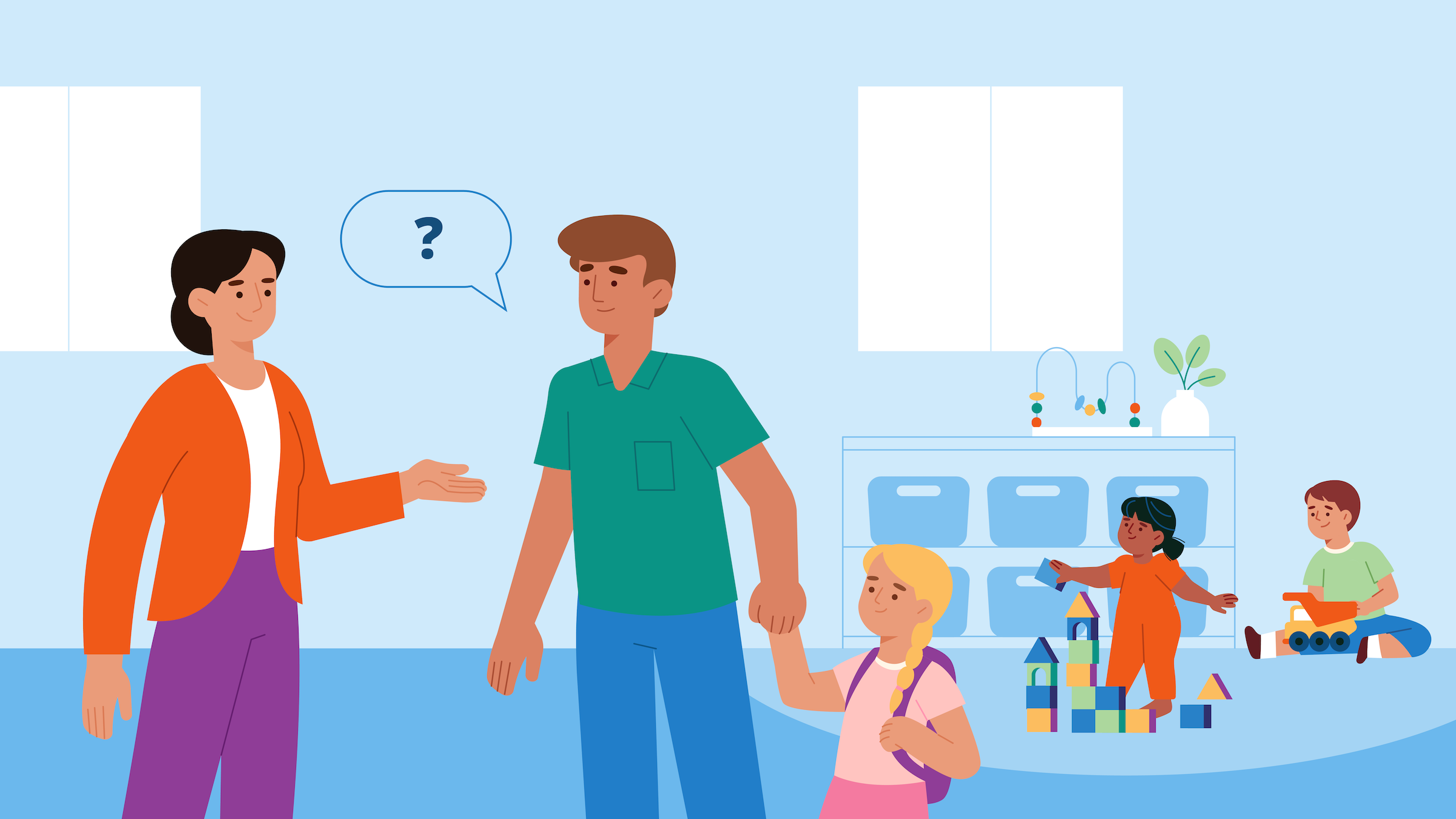
Ask the right questions to find the right after-school environment for your child.
4. Assure kids in your care that they can talk to you about anything that bothers or confuses them.
Open communication is key to forming strong, healthy relationships between youth and parents/caregivers. Encourage kids and teens to talk to you when they feel uncomfortable, even if it feels awkward. Here are a few ways you can start conversations about safety:
- “Good touches make you feel cared for and loved, but bad touches make you feel uncomfortable.”
- “If your tummy hurts when you’re around someone, that might mean a situation is not okay. Tell me when you feel that way.”
- “If anyone ever makes you feel uncomfortable, you can tell me. I will believe you.”
- “If you see something happen to one of your friends that makes you uncomfortable, tell me or another adult.”
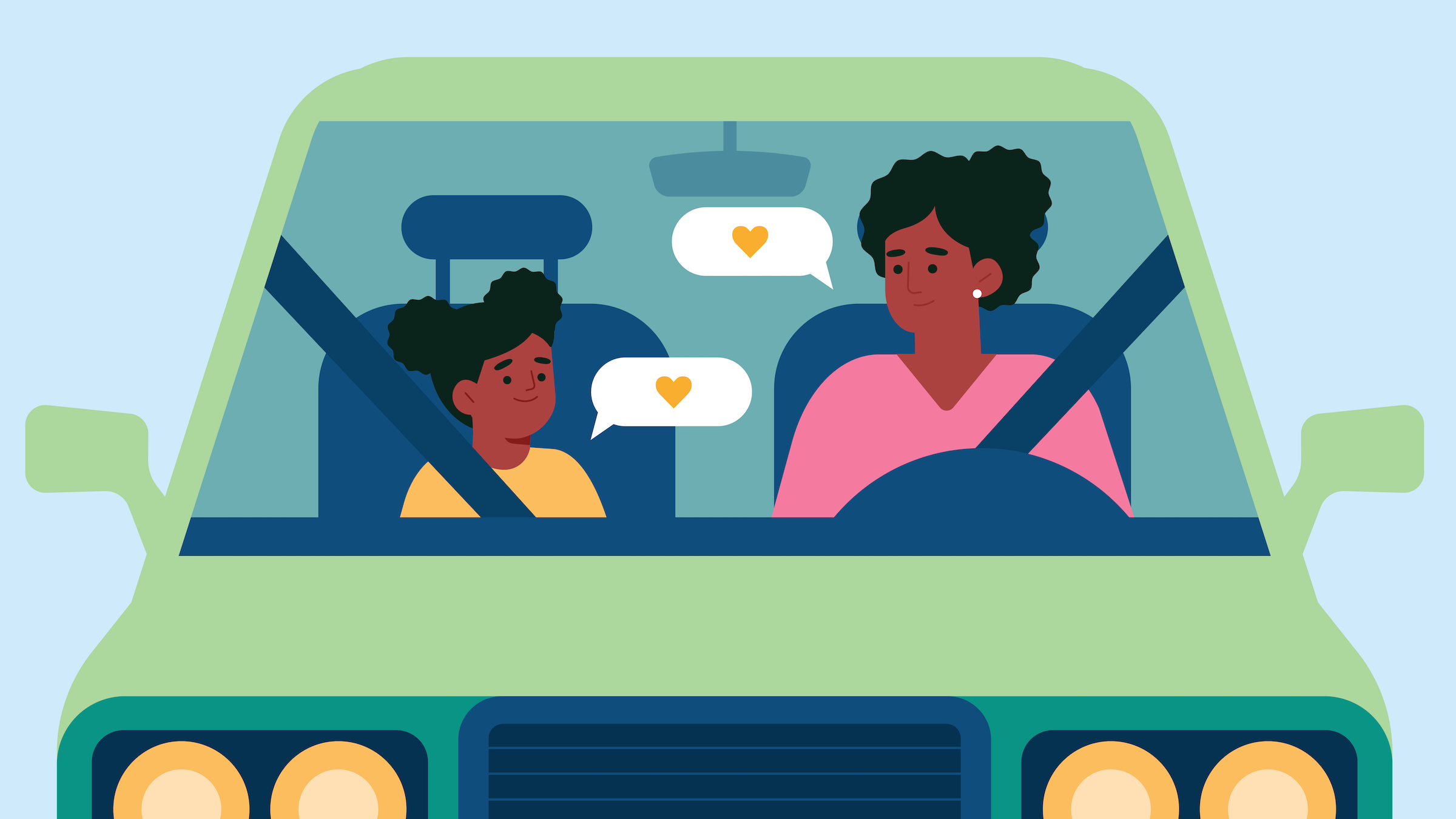
Maintain a strong presence in your child’s life to make sure they feel comfortable talking about tough topics with you.
5. Teach children the accurate names of private body parts.
When children use anatomical vocabulary, they can accurately describe how others interact with their bodies using consistent language. Teaching children about body parts also allows you to clearly discuss the difference between consensual and non-consensual touching.
6. Empower youth to make decisions about their bodies by allowing them age-appropriate privacy.
Encourage kids to say “no” when they do not want to touch or be touched by others. Making a child hug someone they don’t want to — even if it’s a close friend or family member — could send the wrong message. Teach young people about consent to inspire confidence that their voice matters. Try using conversation starters like these:
- “What does ‘personal space’ mean to you? What are some ways we can show respect for other people’s boundaries and personal space?”
- “Remember that not hearing ‘no’ doesn’t mean ‘yes.’”
- “I know you and your boyfriend have strong feelings for each other. I know this might be a little awkward, but we should have a chat about your boundaries.”
7. Educate youth about the difference between “good” and “bad” secrets.
“Good” secrets are secrets that can eventually be shared — like a surprise party. Tell children that they should never keep “bad” secrets from their parents or keep a secret for a long time. Here are a few ways to begin this conversation:
- “Can you think of an example of a ‘good’ secret?”
- “What would you do if someone asked you to keep a secret that made you feel uncomfortable?”
- “Never keep secrets about touching.”
8. Track kids’ and teens’ use of technology, including cell phones, social media sites and online messaging.
Preventing child abuse and protecting children requires action in online and face-to-face situations. If you’re a parent, review older children’s online friend lists regularly and ask about any people you don’t recognize. Remind youth that no one should take or ask for photos of their private body parts or show them photos of their private parts, in person or online.

Ask your children about the people they interact with every day, both in-person and online.
9. Create a family safety plan.
Creating a family safety plan provides children with steps to follow if they ever feel like their physical or emotional safety is at risk. Use everyday moments — like trips to school, daily chores or dinner time — to review the family safety plan. Before your child or teen leaves the house, make sure they know how to reach you. Here are a few ways to start this conversation:
- “Let’s have a quick chat about boundaries before you leave.”
- “You can always call me if you need me. Do you remember my phone number and your aunt’s phone number?” (The second person can be any other trusted adult.)
10. Trust your instincts!
If you feel uneasy about leaving a child in your care with another adult, don’t do it. If you have any concerns about suspected abuse, report it. The ChildHelp National Child Abuse Hotline can help you determine how to report abuse and how you should go about the next steps.
11. Stay calm and offer support.
If a young person tells you that they have experienced abuse or molestation, it’s natural to feel distraught, angry or overwhelmed. But in these situations, it’s important to stay calm, listen carefully and never blame the child. Always thank them for telling you and report the abuse or misconduct right away. Check out this resource for helpful phrases you can use to help children feel comfortable talking to you about a difficult experience.
Acknowledging a child’s trauma and creating a safer environment will remind kids and teens that they’re not alone.
“Trauma changes the way young people understand and interact with the world by taking away their sense of power and control,” says Endries. “We can help them along the healing journey by creating safe, inclusive spaces, with consistent and trustworthy adults. Through these experiences, they’ll learn that the world is a safe place, people can be trusted and begin to heal.”
Visit our Parent Safety Resources to learn more about child abuse prevention and find more resources from Boys & Girls Clubs of America.
To report child sexual abuse, misconduct or neglect, call or text the National Child Abuse Hotline at 1.800.4.A.CHILD (800-422-4453). If you suspect an issue at a local Boys & Girls Club, call 866-607-SAFE (7233).
This article was originally published on April 5, 2019 and has since been updated.
Stay in the Know
Boys & Girls Clubs of America provides mentorship, programs and meaningful life experiences that boost young people’s self-esteem, build confidence and contribute to overall positive well-being. Sign up for our newsletter to receive the latest resources and stories.