


Ways to Get Young People Involved in Elections
America’s youth are our future leaders and changemakers; they’re also our future voters.
That’s why teaching civics to kids is an important part of their education. It builds their understanding of how our society works and creates community-minded citizens. It may also increase their political participation when they turn 18, ensuring a strong base of young voters in our nation.
As advocates for kids and teens, Boys & Girls Clubs of America champions policies and solutions that directly impact youth. Our national organization meets with officials on the Hill, working across party lines to ensure elected officials prioritize youth.
We also empower young people to speak up for what they value. At Boys & Girls Clubs, youth explore volunteering and community engagement, as well as advocacy for issues they care about. They learn to work with people of diverse backgrounds toward a common goal. In fact, according to the Youth Right Now survey:
- Nine in 10 Club teens say they can express their ideas and thoughts clearly.
- 81% of all Club kids, ages 9-18, believe they can make a difference in their community.
- When making a decision, 85% of Club youth think about how other people will be affected.
The election season offers many chances for all kids and teens to learn about voting rights and the difference that one person can make in the American democracy.
What is the definition of civics?
Civics are our rights and duties as citizens of a nation. A civics education can help youth understand how our community, state and country function.
Civics teaches youth how their community operates, how decisions happen, how leaders are elected, and most importantly, how to get involved. Younger kids can see examples in how decisions are made at school or improvements around their community. Teens can explore issues they value and take part in community efforts and local advocacy.
Understanding civics is especially important for kids today. The world is changing fast and becoming increasingly digital, and it’s up to the next generation to be informed and involved citizens. Kids of all ages can learn how to have their voices heard, stand up for their beliefs and improve their communities.

How to talk about politics with kids
What is the difference between civics and politics? While civics is how we participate in society to solve community problems, politics are the activities associated with government.
Every generation remembers time periods when politics, presidents and national events made a mark on their childhood. But for today’s kids, 24/7 access to screens and social media means politics are ever-present and accessible in a way no previous generation has experienced. This means kids may already be hearing about social issues and politics, without a frame of understanding.
Discussing politics with kids is an opportunity to encourage their critical thinking, tolerance for diverse ideas and exploration of their personal values. It also helps young people develop skills for civil discourse — the ability to have productive and respectful conversations with others, especially those of differing beliefs.
Here are some tips for talking politics with young people:
- Ask what they’ve heard about a topic and how it makes them feel.
- Using age-appropriate wording, explain issues factually. Share the complex sides of an issue.
- Discuss the importance of checking a variety of sources for information, just as students do when researching a paper. This is especially important in the 24/7 media cycle.
- Stay neutral in your descriptions, avoiding words that imply a right side versus a wrong. Give space for your young person to form their opinion.
- Share how not everyone believes or values the same things. In our democracy, everyone gets a vote to be part of decision making.
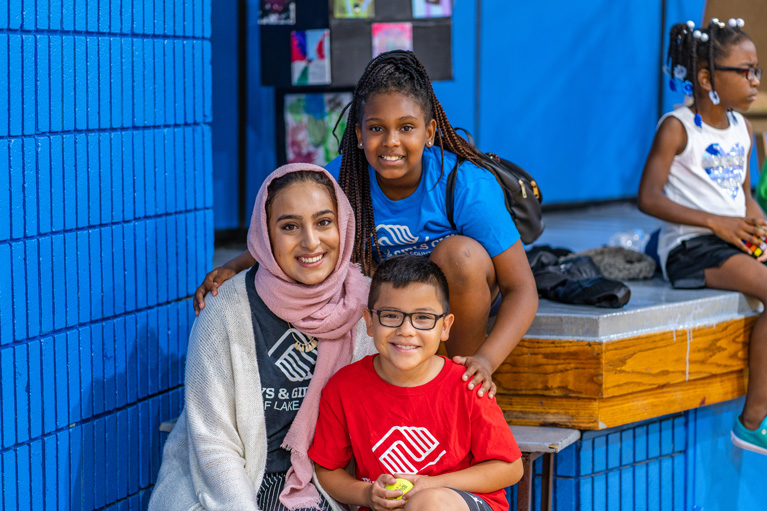
Ideas for engaging young people in politics, elections and civics:
One of the best ways for kids to learn about civics is by getting involved. Read on for activity ideas for all ages.
Ideas for Teens to Engage in Politics (Ages 13-18)
Find Ways to Improve Your Community
Help your teen brainstorm or research local community service projects related to their values. If your teen wants to make a difference on climate change, they can organize a roadside litter cleanup or recycling event. Reading books to younger children is one way to get involved if education policy matters to your teen.
Write a Letter to Your Representative
Teens can have their voice heard by writing a letter to or contacting their elected officials. They can write to their representative about priorities that matter to today’s youth or give feedback on legislation. Get started by using the form found here.
Know How to Register to Vote
While the voting age in the United States is 18 years old, research shows young people ages 18 to 29 have a tendency to not vote. However, millennials and Gen Z are beginning to change that statistic, with broader numbers of youth voter turnout in recent years. In the teen years, it’s important for youth to begin to understand their voters rights and be prepared to register to vote so they are ready when they reach that milestone. In some states, preregistration for voting begins at age 16.

Ideas for Middle Schoolers to Learn Civics (Ages 8-12)
Hold a Mock Election
Teach youth to be informed voters by hosting a mock election. Whether a local election or presidential election is coming up, create a ballot with the actual candidates running. Before casting a ballot, explore and discuss each candidate’s policy and solutions. Tally up the votes prior to the election and compare your results to the real election. Another option is to create a class cabinet, asking students to run for president, vice president, etc. and sharing the solutions they’d work to create.
Bring Civics into Focus
Boys & Girls Clubs of America’s digital learning platform, MyFuture, has several activities to make civics fun for kids. Try out Fact or Fake to learn how to identify credible information found online. In Photo Advocate, youth can use photography to advocate for an issue or cause that matters to them.
Ideas for Civic Education for Kids (Ages 5-8)
Read Up
Age-appropriate books are a great way to introduce civics, history and community engagement to children. Open a picture book or early reading book to make learning about a complex topic easier.
Take a Family Vote
Find small ways to introduce voting concepts to children. Allow parents and siblings to cast their vote on dinner menus, family outings or other fun everyday activities. Make sure to follow through with the winning selection.
Go to the Polls
Perhaps the best way to teach kids about voting is to model the behavior. In most districts, children can accompany parents to the polls – just check with your election office first and try to avoid busy times where you’re stuck in long lines. Ask for an extra “I Voted” sticker for kids that come along. If your child isn’t joining you at the polls, discuss your right to vote and how you’ll be casting your ballot soon. Share where you go to vote, how the poll workers volunteer their time and what happens once you’re inside.
From teens and politics, to younger kids learning about community engagement, there are lots of ways for kids to learn about civics and herald in election day.
Stay in the Know
Boys & Girls Clubs of America provides mentorship, programs and meaningful life experiences that boost youth self-esteem, build confidence and contribute to overall positive and healthy wellbeing. Sign up for our newsletter to receive the latest resources and stories.


