

Boys & Girls Club Teen Mental Health Retreat Helps Teens Grow Stronger Together
In 2017, a teen mental health crisis was quietly unfolding in the communities of St. Helena and Calistoga — and their local Boys & Girls Club was determined to respond.
The Club’s Executive Director Trent Yaconelli first tried partnerships with local mental health centers, but after repeated dead ends, he asked a simple question: Why not us? With the Club board’s immediate support, the Teen Mental Health Retreat was born.
How Boys & Girls Clubs Address Youth Mental Health
For many kids, the Boys & Girls Club is the safest place in their community. As anxiety, depression and trauma affect more youth, Clubs offer trauma-informed environments that prioritize emotional well-being. Nationwide, 42% of high schoolers report feeling persistently sad or hopeless,1 and more than two-thirds experience a traumatic event by age 16.2
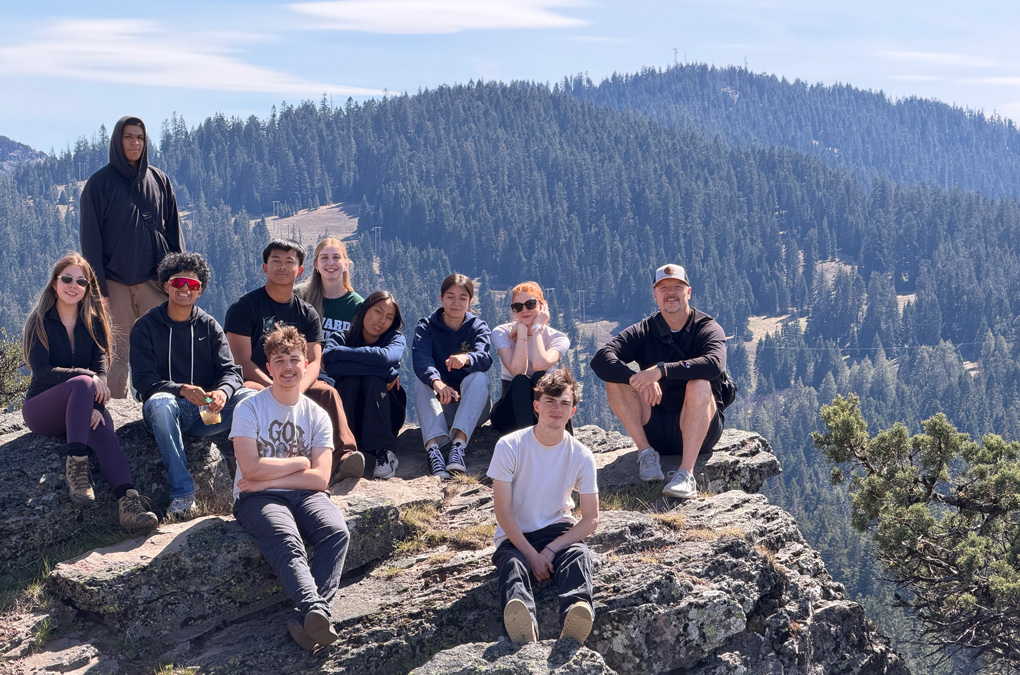
Boys & Girls Clubs of St. Helena and Calistoga’s Teen Mental Health Retreat addresses these realities head on. Set in the mountains, this free, weeklong experience removes teens from daily stressors and gives them space to reflect, connect and heal.
Teens are nominated by Club staff, attend in small groups, and can return each year through high school. Its impact has also shaped everyday life at the Club, where journaling, reflection and mindfulness coping skills are now part of regular afterschool programs.
Inside the Retreat: Creating Space for Teens & Adults to Heal
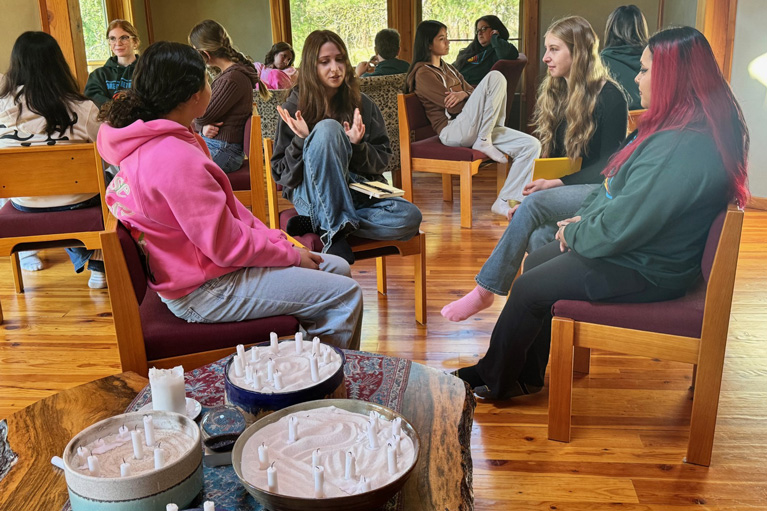
The retreat creates space not just for teens, but for everyone involved. From the first night, staff establish a safe, nonjudgmental environment — and teens begin to open up. Days are structured around morning reflective questions, followed by small group sharing and staff-led activities like polar plunges and canoeing. Candle nights invite all participants to reflect in silence around a single flame. Licensed therapists have also strengthened the clinical foundation of the retreat over time.
Staff members, too, find themselves moving through the retreat’s experiences alongside teens. Within two years, they began arriving early to do their own reflective work before supporting teen participants.
“I came with my own baggage from my own childhood experiences,” said Caty Jacobo, the St. Helena Teen Center Site Director. “We got to really sit with those emotions.”

Developing trauma-informed spaces and staff is critical to Boys & Girls Clubs of America’s mission of helping all young people thrive in school, work and life. When Clubs are trauma-informed, they are better prepared to respond to youth mental health needs and support long-term growth. This leads to improved services for Club kids and their families, raising the overall well-being of the communities they serve.
With support from Boys & Girls Clubs’ mental health services and programs, 84% of Club kids say they understand how their feelings affect their actions, while 75% know ways of calming themselves down.
Ultimately, the power of Boys & Girls Clubs of St. Helena and Calistoga’s Teen Mental Health Retreat comes from the people. In a post-retreat survey from the Club, a third of teen participants reported experiencing anxiety and stress in their daily lives. After finishing the retreat, 100% said they “left the retreat with tools/methods to help me when I return home.” As Alexa, a former teen participant turned staff member, says: “It’s about the staff who come together to hold space for us and help us through the most difficult moments of our lives.”
She’s seen that impact firsthand, watching one teen grow over multiple summer retreats.
She was quiet at her first retreat. Then, she started sharing and we realized she was going through so much at home that we wouldn’t have known about otherwise. By her last one, she was so open. I watched her life change from coming to these retreats.”
Scaling the Retreat for Boys & Girls Clubs Nationwide
When asked what she wants partners and organizations to know about supporting teens, Alexa doesn’t hesitate.
“I wouldn’t be where I am without the Club. The staff pour into my life every day and have shown me what it means to be seen and loved.”
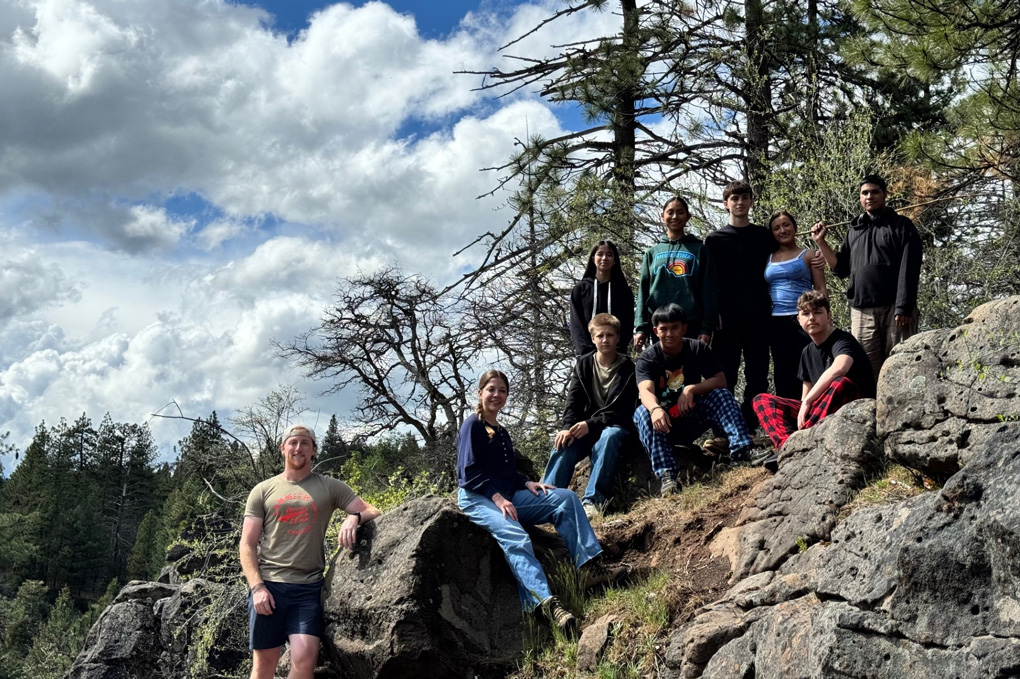
With support from The Cigna Group Foundation, Boys & Girls Clubs of America adapted Boys & Girls Clubs of St. Helena and Calistoga’s Teen Mental Health Retreat into a Teen Mental Health Guide in 2025, making the model accessible to over 5,500 Clubs. With this guide, Clubs nationwide can better support more than 400,000 teen members in managing their mental health by creating safe, inclusive environments and building healthy coping skills and self-confidence.
Learn more about all the ways Boys & Girls Clubs support kids’ and teens’ mental and emotional health and find a Club near you.
More Kids Embrace Healthy Habits with Boys & Girls Clubs
Boys & Girls Clubs provide youth mentorship, mental health services and meaningful life experiences that boost confidence, emotional and physical well-being. Support over four million young people in Clubs to invest in healthier future generations.
Sources
1 Youth Risk Behavior Survey – Data Summary & Trends Report. Centers for Disease Control and Prevention (February 2023).
2 Understanding Child Trauma. SAMHSA.gov (July 2023).


