

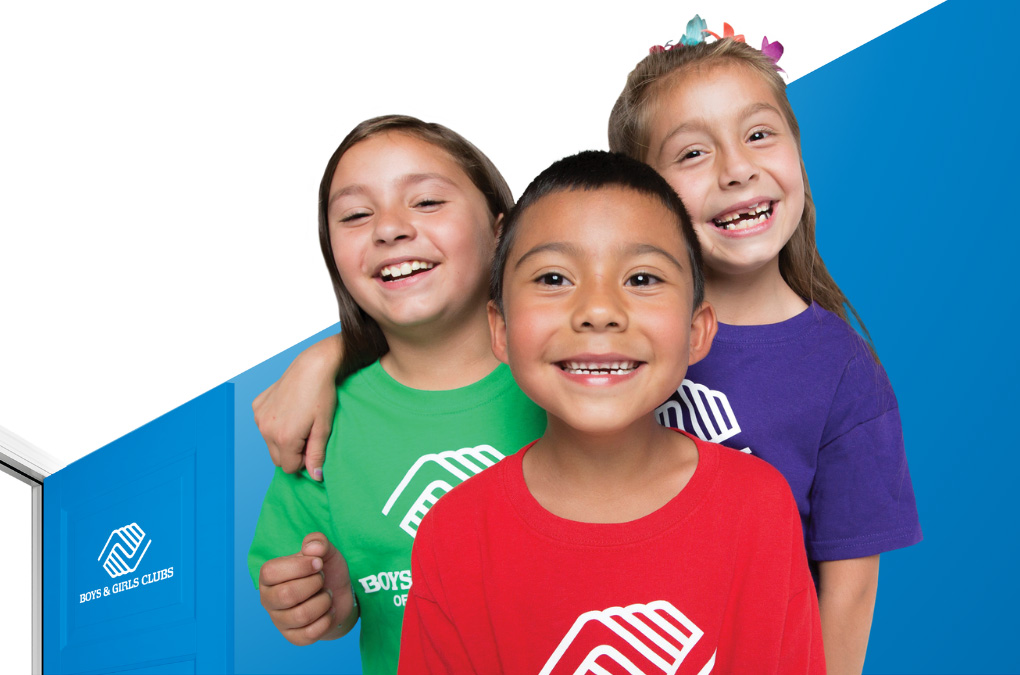
Why America Needs Club Kids
Tomorrow’s leaders, scientists and community change-makers are growing up right now — in Boys & Girls Clubs. Here’s why our nation’s future depends on them.

Why Are Afterschool Programs Important?
Afterschool programs are critical for preventing kids from falling behind academically and engaging in unhealthy or unsafe behaviors during unsupervised hours from 3-6 p.m. High-quality afterschool programs like Boys & Girls Clubs offer safe environments with academic support, mentorship, nutritious meals, and social-emotional skill building, helping all youth reach their full potential. Research shows that students in afterschool programs have higher graduation rates, stronger academic performance and better long-term outcomes than their peers who are not.
What Challenges Are American Kids Facing Today?
Children in America lack access to afterschool programs
Afterschool Alliance 2025
Fourth and eighth graders in America are not reading at grade level
NAEP 2024
Of U.S. high schoolers report feeling persistently sad or hopeless
CDC YRBS 2023
Of recent high school graduates feel under-prepared for college and career
YouScience 2025
Club Kids Are the Answer
Boys & Girls Clubs of America (BGCA) is a national youth development nonprofit that has served America’s young people for more than 165 years. Operating at more than 5,500 locations nationwide — in cities, schools, public housing, Native lands, and on U.S. military installations — BGCA serves nearly 4 million young people each year through programs in academic success, workforce readiness, health and well-being, character and leadership, and physical activity. Every $1 donated generates more than $10.32 in U.S. economic benefits, and 1 in 19 Americans grew up as a Club Kid. When kids have Clubs, America’s future is in good hands.
How Boys & Girls Clubs Make a Difference
Measurable outcomes across five areas of youth development, drawn from national research and BGCA’s annual Youth Right Now survey.
Academic Success

THE CHALLENGE
American students are falling behind — and pandemic learning loss is still being felt.
The average U.S. student is half a grade behind in school while only one-third of 4th and 8th graders are proficient in math and reading.1 High school graduation rates are also projected to decline in 38 of 50 states through 2041.2

THE CLUB DIFFERENCE
Boys & Girls Clubs help more students stay on track and graduate with a plan.
Boys & Girls Clubs keep kids engaged and learning year-round. With afterschool and summer programs in STEM, art, literacy and more, Club kids are more likely to retain math and reading skills during the summer and graduate high school on time.
Club kids report earning mostly A’s and B’s in school
Young alumni say the Club gave them the support they needed to graduate from high school
Of Club seniors plan to pursue a bachelor’s degree or higher
Of adult alumni say the Club helped them explore options for education and work after high school
Workforce Readiness
THE CHALLENGE
Young adults are entering the workforce underprepared and disconnected from opportunity.
Over 1 million teenagers in America are not in school or working.3 Most high school students (79%) want more work experience, but very few have gotten it (2%).4
THE CLUB DIFFERENCE
Club teens gain the skills and experiences to succeed in future careers.
Clubs prepare young people for adulthood through real-world work experience, exploring college and career pathways, and teaching essential life and financial skills.
more likely
Young alumni are more likely to be working full time than other young adults
Of Club seniors have applied for post-secondary education
Club teens feel ready to get a job
Of Club teens feel confident in managing their finances
Health & Well-being
THE CHALLENGE
Gen Z is still feeling the aftershocks of pandemic isolation amid a national loneliness epidemic.
40% of U.S. high schoolers feel persistently sad or hopeless while 1 in 6 children has experienced cyberbullying.5 Additionally, 1 in 5 young adults in their 20’s don’t feel connected to any community.6
THE CLUB DIFFERENCE
Boys & Girls Clubs offer a bridge between school and home, meeting kids’ physical and mental needs.
Clubs provide trusted adults, nutritious meals and anti-bullying programming that help young people build self-confidence, positive relationships and healthy digital habits.
more likely to talk to adults about their troubles (80% vs. 40% of youth nationally)7
nutritious meals and snacks served every year to Clubs nationwide
as much time spent daily on social media (2 hrs.) than the average teen (4 hrs.)8
Of kids report feeling acceptance and belonging at their Club
Character & Leadership
THE CHALLENGE
Growing up in a polarized nation, many young people feel powerless and disconnected.
Three-quarters of young people believe the U.S. is more divided than ever. While 91% believe everyone should have civic education, only 4 in 10 young people feel prepared to take civic action.9
THE CLUB DIFFERENCE
Boys & Girls Club kids create positive change in our communities and country.
Through service opportunities, leadership programs and mentorship, Club kids learn to collaborate across differences and advocate against issues impacting their communities.
more likely
adult alumni are more likely to see themselves as leaders than other adults
Club kids believe they can make a positive difference in their community
volunteer at least monthly in their school, neighborhood or community
adult alumni are twice as likely to volunteer every two weeks than other adults
Physical Activity
THE CHALLENGE
America’s youth are growing more inactive as youth sports become less accessible.
Daily physical activity among U.S. high schoolers has declined every year for over a decade.10 Families now spend nearly $1,500 on average annually on youth sports, and more than half of parents are concerned about affording it next year.11
THE CLUB DIFFERENCE
Club kids build lifelong healthy habits through affordable afterschool and summer sports.
Through accessible sports and supportive communities, Boys & Girls Clubs help more kids stay active and healthy while opening doors to confidence, leadership and opportunity.
more likely
of Club kids are active 5 or more days a week vs.46% nationally12
of Club kids say they enjoy being physically active
or low-cost access regardless of family income
BGCA plans to double youth sports participation by 2030
Boys & Girls Clubs Work. Here’s the Proof.
believe they will graduate from high school
BGCA Youth Right Now Survey 2025
reported earning mostly A’s and B’s in the past year
BGCA Youth Right Now Survey 2025
of Club high schoolers have never drunk alcohol vs. 54% of high schoolers nationally13
BGCA Youth Right Now Survey 2025
helped at their Club in the last year
BGCA Youth Right Now Survey 2025
What Does a Donation to Boys & Girls Clubs Actually Do?
Your support keeps Club doors open while opening doors to possibility for millions of young people.
economic benefit for every $1 invested
BGCA Economic Impact Study
Keeps Kids Learning
Your gift funds tutoring, STEM experiences, literacy programs, and college and career prep — helping Club kids stay on grade level and graduate with a plan.
97% of Club youth expect to graduate high school
Feeds Kids Who Need It
Clubs serve more than 86 million nutritious meals and snacks per year to young people who may not otherwise eat after school or during summer.
86M+ meals served annually
Supports Mental Health
Support training for adult staff and mentors who build trusted relationships with youth — a resource that 40% of American kids lack access to at school.14
91% of Club teens have a trusted adult at the Club
Builds Career Readiness
Donations fund internship connections, entrepreneurship programs, financial literacy training, and hands-on career exploration for teens.
70% of Club alumni are employed
Opens Sports to All
Clubs eliminate the financial barriers to youth sports, making teams, leagues, and fitness programs free or low-cost for every member.
81% of Club youth enjoy physical activity
Builds Future Leaders
Character and service programs help Club kids become community volunteers, advocates and leaders — and twice as likely to volunteer as other adults.
2× more likely to volunteer than other adults
Every $1 donated to Boys & Girls Clubs of America returns more than $10.32 in U.S. social and economic benefits — and 79¢ of every dollar goes directly to local programs and services.
Why Trust Boys & Girls Clubs?
One of America’s Most Trusted Charities. 165+ years of proven impact, recognized by every major independent nonprofit evaluator.
Charity Navigator 4-Star Rating
Candid Platinum Seal of Transparency
Chronicle of Philanthropy’s list of America’s Favorite Charities (2025)
of every dollar goes directly to local Club programs and services
America Needs Club Kids. And Club Kids Need You.
When you open the door to a Club, you’re opening the door to a better future for all of us. Support Boys & Girls Clubs today.
Frequently Asked Questions
Parents of more than half of school-aged children want them in afterschool programs. Yet, more than 3-in-4 kids still miss out (Afterschool Alliance). The hours outside of school are when Club kids are safe, active and learning — gaining the skills and experiences to become the scientists, innovators and leaders our communities and country need. Without structured programs, these hours become the highest-risk window of the day for academic disengagement, risky behaviors and lost potential.
Yes. In 2025, Boys & Girls Clubs of America released its annual Youth Right Now Survey, featuring data from nearly 150,000 Club members from more than 3,700 sites. Some key findings include: 97% of Club members expect to graduate from high school and 78% of Club members reported earning mostly A’s and B’s in the past year. Additionally, every $1 invested in Boys & Girls Clubs generates more than $10 in social and economic benefits nationwide (BGCA Economic Impact Study).
America is experiencing an epidemic of loneliness, with 40% of U.S. high schoolers feeling sad or hopeless (CDC YRBS 2023). Boys & Girls Clubs are the connection between school and home — providing positive, nonjudgmental spaces where youth are listened to and supported. 84% of Club kids understand how their feelings affect their actions and 3 in 4 can stay calm in tough situations (BGCA Youth Right Now Survey 2025). Clubs also serve 86M+ meals and snacks annually, improving youth nutrition, concentration and confidence.
Today, 2 in 3 fourth and eighth graders in America are not proficient in reading (NAEP 2024). Young adults are feeling adrift, with more than 1 million teenagers in America not in school or working (Annie E. Casey Foundation 2023). Nearly all young people (91%) believe everyone should have access to civic education — however, only 4 in 10 feel prepared to take civic action (America’s Promise Alliance, State of Young People Research Report 2024).
Boys & Girls Club teens are gaining the skills and experiences to be successful in future careers. Clubs ensure teens know all their options after high school — including college, trade school, entry-level jobs or joining the military — and help them secure their first jobs, explore entrepreneurship, and practice money management. Young Club alumni are 60% more likely to be working full time and 33% more likely to make good spending decisions than other young adults (BGCA Young Alumni Survey 2026).
Boys & Girls Clubs of America opens the door to enriching afterschool experiences that are affordable for families and accessible to millions of kids. Clubs have kept kids safe, active and learning for over half of our nation’s lifetime. Today, our alumni are everywhere, with 1 in 19 Americans growing up in a Boys & Girls Club. Every dollar invested returns $10.32 in U.S. economic benefits. BGCA is also ranked #6 on the Chronicle of Philanthropy’s 2025 list of America’s Favorite Charities.
Sources
1 NAEP Reading (2024); Education Recovery Scorecard (2025)
2 Knocking at the College Door: Projections of High School Graduates. Western Interstate Commission for Higher Education (2024)
3 The Annie E. Casey Foundation (2023)
4 High School Work-based Learning: Best Practices Designed to Improve Career Readiness Outcomes for Today’s Youth – American Student Assistance (2023)
5 CDC, Youth Risk Behavior Survey Data Summary & Trends Report (2013-2023); BGCA Youth Right Now Report (2024)
6 Harvard Youth Poll (Spring 2025), The Institute of Politics at Harvard University
7 BGCA Youth Right Now Report (2023); YouthTruth Emotional & Mental Health Survey (2022)
8 BGCA SMART Girls Outcome Evaluation (2018-2019); CDC Daily Screen Time Among Teenagers: United States (July 2021 – December 2023)
9 America’s Promise Alliance, State of Young People Research Report (2024)
10 CDC, Youth Risk Behavior Survey Data Summary & Trends Report (2013-2023)
11 Aspen Institute, Project Play Parenting Survey (2024); The Harris Poll, Cost of Sports Study, Prepare for Good Sports (2024)
12 CDC, Youth Risk Behavior Survey Data Summary & Trends Report (2013-2023); BGCA Youth Right Now Report (2025)
13 CDC, Youth Risk Behavior Survey Data Summary & Trends Report (2013-2023); BGCA Youth Right Now Report (2025)
14 BGCA Youth Right Now Report (2023); YouthTruth Emotional & Mental Health Survey (2022)


